41
Bailte Fearainn
9,111
Taifid Daonáirimh
1,660
Teaghlaigh
2
Bliana Daonáirimh
- Daoine
- 4,580
- Teaghlaigh
- 804
- Daoine
- 4,531 -1.1%
- Teaghlaigh
- 856 +6.5%
Maidir Liom
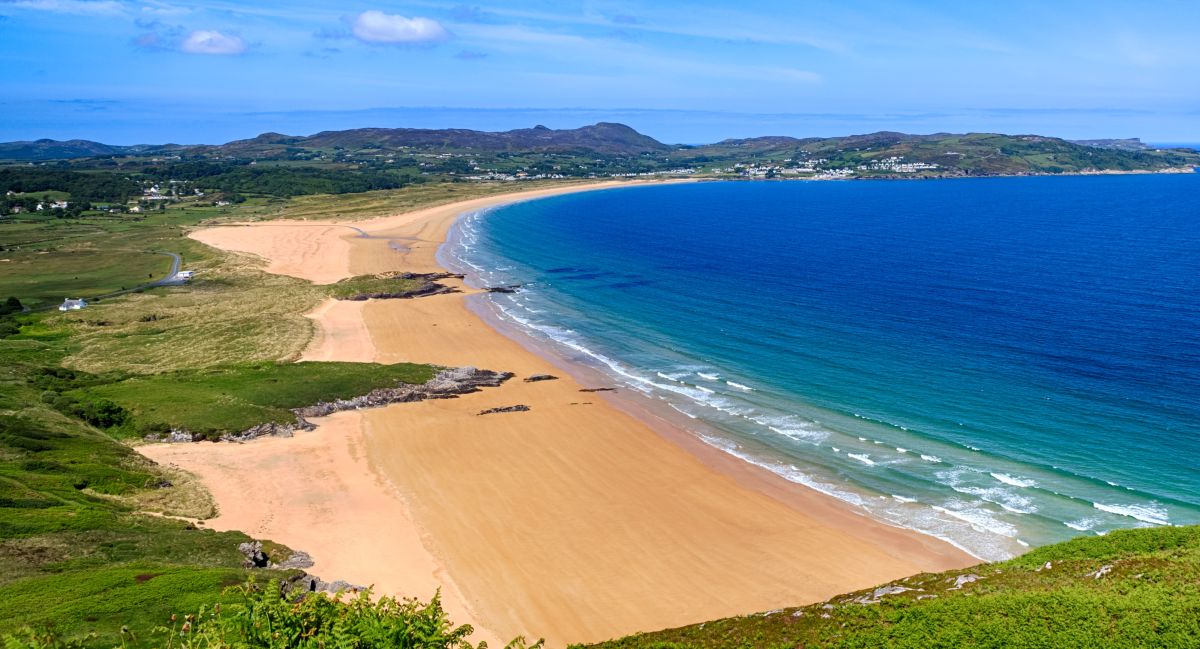
Clonca is a parish located in County Donegal in the northwest of Ireland, situated in the Inishowen Peninsula. The parish is characterized by a rural landscape typical of this region, with rolling hills, coastal views, and agricultural land that has shaped settlement patterns for centuries. Its position on the Inishowen Peninsula places it within an area known for its dramatic scenery and maritime heritage, though the specific topographical features of Clonca parish reflect the broader geological and environmental character of Donegal's northern reaches.
The parish has roots extending back through Irish ecclesiastical history, with evidence of early Christian settlement in the area. Like many Irish parishes, Clonca's development is intertwined with the history of the Catholic Church in Ireland, particularly following the Reformation when the parish structure became central to religious and community organization. The townland divisions and settlement patterns within Clonca reflect centuries of both continuity and change, shaped by colonization, land tenure systems, and periods of economic and social transformation.
Clonca contains historical and cultural features reflective of its heritage, including remnants of ecclesiastical structures and burial grounds that speak to its religious significance. The parish church and associated religious sites serve as focal points for the local community and are testament to the enduring importance of Catholic faith in this part of Donegal. These features, along with any notable historical events or figures connected to the area, contribute to the parish's local identity and historical narrative.
For its residents and the broader Inishowen community, Clonca functions as an important administrative and social unit. The parish remains significant as an organizational framework for church activities, community gatherings, and local identity, maintaining traditions even as rural areas of Ireland face ongoing demographic and economic changes. This continuity of parish structure reflects both the deep-rooted nature of Irish community organization and the resilience of local connections in contemporary society.
Source: AI generated

Photo by Andre Ouellet on Unsplash
- Áit
-
Barúntacht
Inis Eoghain Thoir
-
Ainm Gaeilge
Cluain Catha
-
Bailte Fearainn
41 baile fearainn
- Logainm
Luacháil Griffith
Cartlann Náisiúnta na hÉireann (timpeall 1830idí-1850idí)
Taifeadadh 93 sealbhóir i Luacháil Griffith ar fud 13 baile fearainn (1830idí-1850idí).
Príomhshloinnte
Foinse: Leabhair Oifig na Luachála, Cartlann Náisiúnta na hÉireann. Taifid phoiblí.
Gníomhartha Tapa
Faigh an Aip iOS
Cuardaigh ar an mbóthar
Suíomh an Pharóiste
Sonraí
- Béarla
- Clonca
- Gaeilge
- Cluain Catha
- Barúntacht
- Inis Eoghain Thoir
- Áit
- Dún na nGall