70
Taifid Daonáirimh
14
Teaghlaigh
2
Bliana Daonáirimh
- Daoine
- 36
- Teaghlaigh
- 6
- Daoine
- 34 -5.6%
- Teaghlaigh
- 8 +33.3%
Maidir Liom
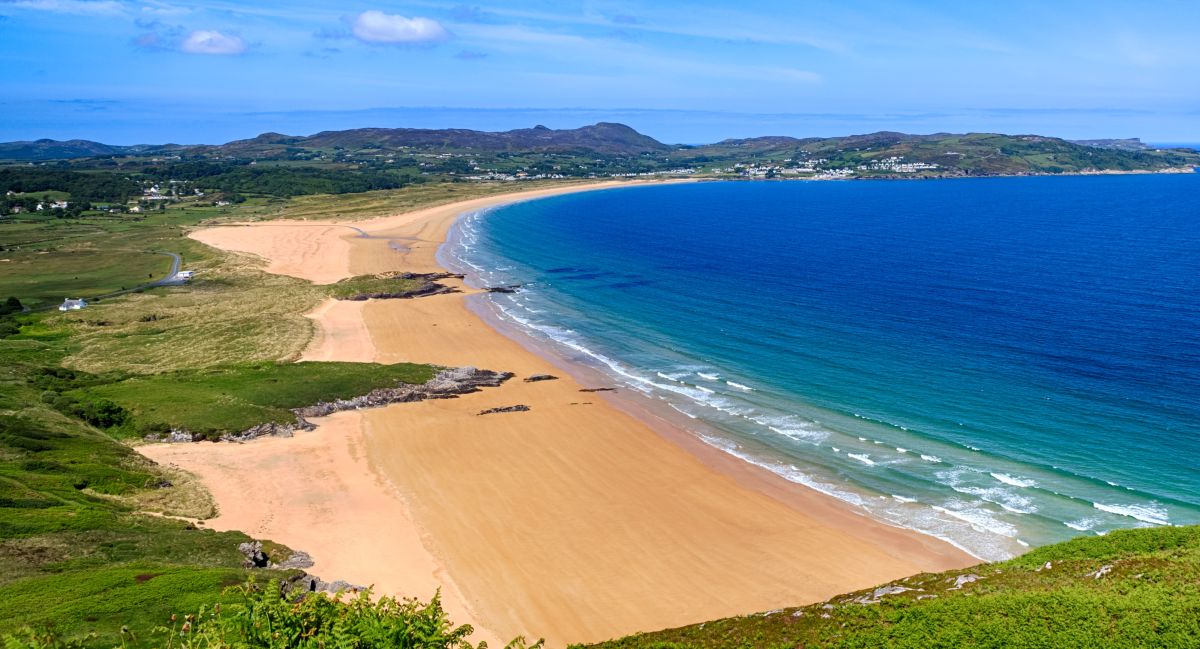
Glenleary is a small townland situated in County Donegal in the northwest of Ireland, a region characterized by dramatic coastal landscapes, rugged terrain, and deep valleys. The townland forms part of the broader landscape of Donegal, an area known for its mountainous geography and proximity to the Atlantic coast. Like many Donegal townlands, Glenleary reflects the typical features of northwest Irish geography, with rolling hills, bogland, and pastoral countryside that has shaped settlement patterns and economic activity for centuries. The local environment is representative of the wider Inishowen Peninsula or surrounding areas, depending on its specific location within the county.
The history of Glenleary, like that of many Irish townlands, is deeply connected to patterns of settlement, land use, and the broader historical trajectories of County Donegal. Townlands in this region emerged through various historical processes including early Christian settlement, Anglo-Norman influence, and subsequent landlord-tenant systems that defined Irish rural life. The name itself, with its Gaelic roots, suggests ancient or medieval origins, though detailed historical records specific to this particular townland may be limited in widely available sources. Understanding Glenleary requires awareness of the larger historical context of Donegal, including the Great Famine, emigration, and the subsequent demographic and social changes that affected rural Irish communities.
Glenleary, as a townland, would have held significance primarily as a unit of land organization and local community identity rather than as a formally designated settlement or village. Irish townlands served as fundamental administrative divisions and social units where residents maintained kinship ties, shared grazing rights, and participated in communal activities. The local community would have depended on agriculture, particularly pastoral farming suited to Donegal's climate and terrain, and townland identity often remained central to how people understood their place and belonging. Today, such townlands continue to represent important markers of cultural and geographic identity in rural Donegal, even as economic and social patterns have transformed significantly over recent generations.
Source: AI generated

Photo by Stephanie Chriselle on Unsplash
- Paróiste
- Áit
-
Barúntacht
Cill Mhic Réanáin
- Logainm
Taifid Oifig na Luachála
Ó Chartlann Náisiúnta na hÉireann (timpeall 1830idí–1850idí)
Taifeadadh 3 sealbhóir i Leabhair Oifig na Luachála don bhaile fearainn seo.
Foinse: Leabhair Oifig na Luachála, Cartlann Náisiúnta na hÉireann. Taifid phoiblí.
Gníomhartha Tapa
Faigh an Aip iOS
Cuardaigh ar an mbóthar
Suíomh an Bhaile Fearainn
OpenStreetMapSonraí
- Béarla
- Glenleary
- Paróiste
- Eachinis
- Barúntacht
- Cill Mhic Réanáin
- Áit
- Dún na nGall