Maidir Liom
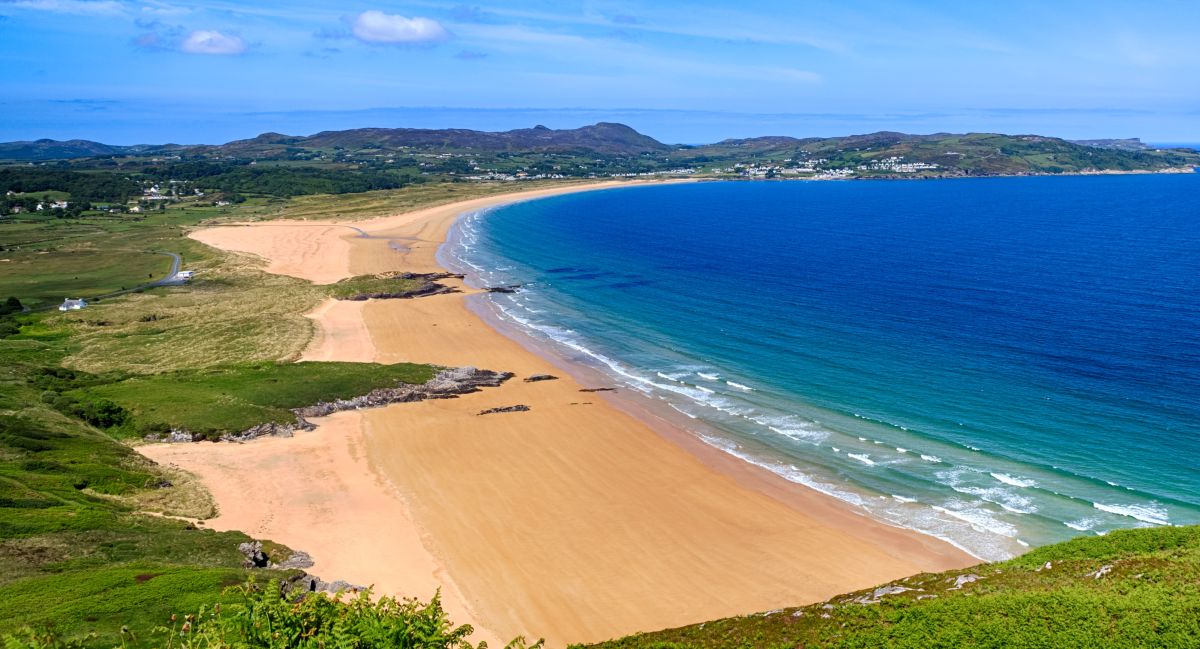
Cloghboy is a small townland located in County Donegal in the northwest of Ireland, situated within the broader landscape of the county's rural hinterland. Like many townlands in Donegal, it is characterized by the undulating terrain typical of the region, with a mix of moorland, grassland, and rocky outcrops that reflect the underlying geology of the northwest. The townland benefits from the natural features common to Donegal, including proximity to rivers and streams that have shaped the landscape over millennia. The area's climate is maritime temperate, with significant rainfall that supports the lush vegetation characteristic of the Irish northwest.
The history of Cloghboy, as with many Donegal townlands, is deeply rooted in the broader patterns of Irish settlement and land use. Townlands themselves represent an ancient division of Irish land that dates back centuries, often corresponding to ancient Irish territorial divisions. The name "Cloghboy" likely derives from Irish language origins, as do most place names in Donegal, reflecting the region's strong linguistic and cultural heritage. The townland would have been shaped by successive waves of Irish history, including the land divisions undertaken during different periods of settlement and administration.
Cloghboy, like many rural Donegal townlands, serves as part of the fabric of local community life and agricultural tradition. The townland encompasses a small population living in scattered houses and farms, which is typical of rural Irish settlement patterns. These small communities maintain connections to farming, forestry, and other rural livelihoods that have sustained families in the area for generations. The local knowledge and oral histories within such townlands preserve important cultural and historical information about the region's development and character.
The significance of Cloghboy extends beyond its practical function as a land division; it represents part of the distinctive cultural and geographical identity of County Donegal. The preservation of traditional townland names and boundaries remains important to local identity and to understanding Irish administrative and historical geography. For residents and those with family connections to the area, the townland represents continuity with the past and connection to the rural heritage that characterizes much of northwest Ireland.
Source: AI generated
No photo added yet
- Paróiste
- Áit
-
Ainm Gaeilge
An Chloch Bhuí
-
Barúntacht
Baollaigh
- Logainm
Gníomhartha Tapa
Faigh an Aip iOS
Cuardaigh ar an mbóthar
Suíomh an Bhaile Fearainn
OpenStreetMapSonraí
- Béarla
- Cloghboy
- Gaeilge
- An Chloch Bhuí
- Paróiste
- Inis Caoil
- Barúntacht
- Baollaigh
- Áit
- Dún na nGall