8
Bailte Fearainn
279
Taifid Daonáirimh
47
Teaghlaigh
2
Bliana Daonáirimh
- Daoine
- 114
- Teaghlaigh
- 21
- Daoine
- 165 +44.7%
- Teaghlaigh
- 26 +23.8%
Maidir Liom
Kilbragh is a small parish located in County Tipperary in the province of Munster in the Republic of Ireland. The parish sits within the wider landscape of south Tipperary, a region characterized by rolling agricultural land, river valleys, and proximity to the Knockmealdown Mountains to the south. The terrain is typical of rural Tipperary, with a mixture of farmland, townlands, and dispersed settlement patterns that reflect centuries of agricultural use. The parish benefits from its location in one of Ireland's more fertile regions, where the soil and climate have traditionally supported dairy farming, livestock rearing, and mixed agriculture.
Like many Irish parishes, Kilbragh has its roots in the early Christian period, when Ireland was organized into ecclesiastical territories centered on monastic communities and local churches. The parish structure that emerged during the medieval period has largely persisted to the present day, though the functions and significance of these territorial divisions have evolved considerably. The name Kilbragh, like many Irish townland and parish names, derives from Irish language origins, with "Kil" typically referring to a church or cell. The parish would have been shaped by the same historical forces that affected the broader region, including the Norman invasion, the Plantation period, and the subsequent social and religious changes that characterized Irish history.
Kilbragh, like other rural parishes in Tipperary, has been central to the lives of the farming families and communities that inhabit it. The parish would historically have been organized around its church, which served as the spiritual and often social center of the community. The agricultural economy of the parish has been fundamental to its character and the livelihood of its residents across generations. In the modern era, as with many rural Irish parishes, Kilbragh has experienced demographic changes reflecting broader trends of rural depopulation and the challenges facing agricultural communities in contemporary Ireland.
Today, Kilbragh remains part of the ecclesiastical and cultural fabric of County Tipperary, though like many rural parishes throughout Ireland, it faces the challenges of sustaining community life in an era of significant social and economic change. The parish retains its significance as a geographic and community unit, even as the traditional role of the parish in organizing local life has diminished. For those with family connections to the area, Kilbragh represents an important part of local and family history, particularly for the Irish diaspora with ancestral ties to rural Tipperary.
Source: AI generated

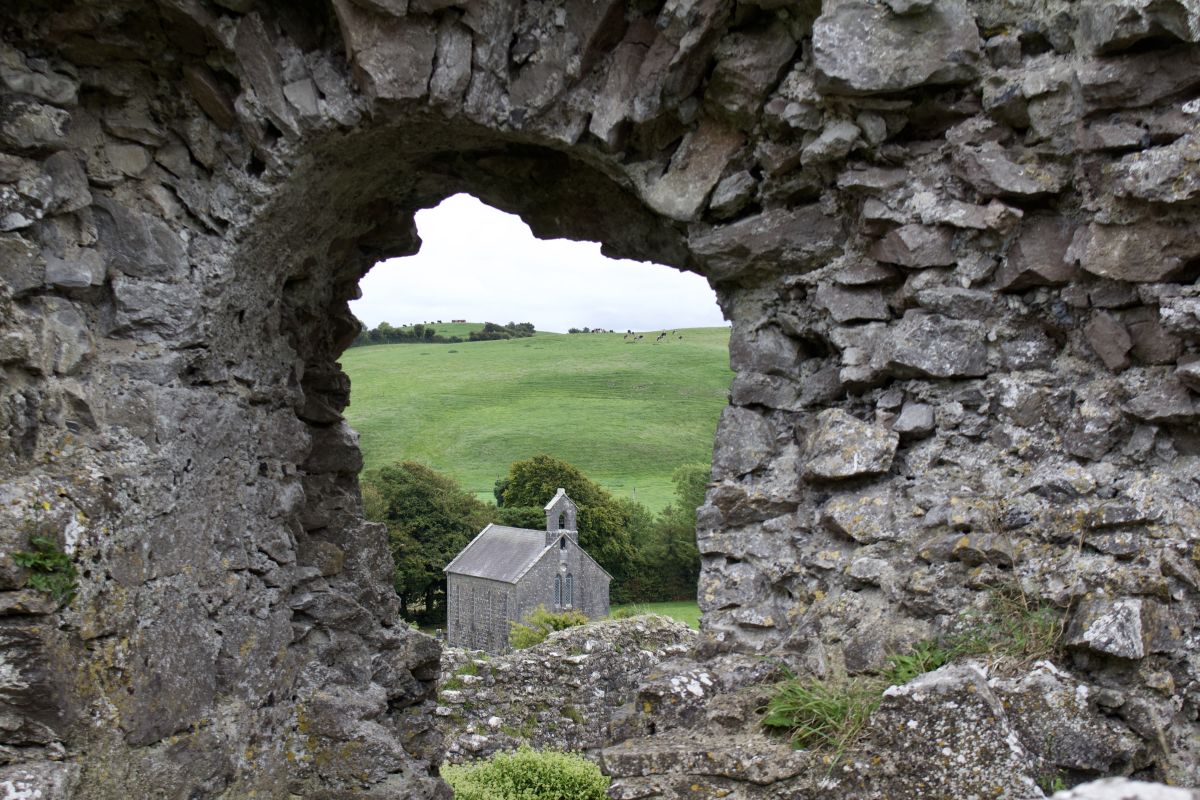
Photo by Elisabeth Arnold on Unsplash
- Áit
-
Barúntacht
An Trian Meánach
-
Ainm Gaeilge
Cill Bhrácha
-
Bailte Fearainn
8 baile fearainn
- Logainm
Luacháil Griffith
Cartlann Náisiúnta na hÉireann (timpeall 1830idí-1850idí)
Taifeadadh 83 sealbhóir i Luacháil Griffith ar fud 7 baile fearainn (1830idí-1850idí).
Príomhshloinnte
Foinse: Leabhair Oifig na Luachála, Cartlann Náisiúnta na hÉireann. Taifid phoiblí.
Gníomhartha Tapa
Faigh an Aip iOS
Cuardaigh ar an mbóthar
Suíomh an Pharóiste
Sonraí
- Béarla
- Kilbragh
- Gaeilge
- Cill Bhrácha
- Barúntacht
- An Trian Meánach
- Áit
- Tiobraid Árann