
6
Bailte Fearainn
324
Taifid Daonáirimh
76
Teaghlaigh
2
Bliana Daonáirimh
- Daoine
- 177
- Teaghlaigh
- 40
- Daoine
- 147 -16.9%
- Teaghlaigh
- 36 -10%
Maidir Liom
Kane is a small parish located in County Louth in the northeastern corner of the Republic of Ireland. The parish sits within the Cooley Peninsula region, an area characterized by rolling hills and rugged coastal landscapes that border the Irish Sea. The terrain is typical of the peninsula, with drumlin hills, patchwork fields divided by hedgerows, and scattered farmsteads. The area's geography has historically made it a distinctive region, with the Cooley Peninsula extending into the sea and offering views toward the Mourne Mountains across the border in Northern Ireland.
The parish of Kane, like much of County Louth, has deep historical roots extending back to medieval times. The area would have been shaped by the broader history of Ireland, including periods of Norman settlement, English conquest, and later colonial rule. The landscape itself bears the marks of centuries of settlement and land use, with field systems, old dwelling sites, and local place names reflecting successive waves of Irish and Anglo-Norman habitation. Understanding Kane requires situating it within the wider historical context of the Cooley Peninsula and County Louth's significant role in Irish history.
As a parish community, Kane would have served as a center of local religious and social life, particularly through its parish church and associated institutions. Like many rural Irish parishes, it functioned as an important unit of organization for both ecclesiastical and civil purposes. The parish would have been the focal point for community gatherings, religious observances, and the organization of agricultural life. Today, Kane remains part of the fabric of local identity in County Louth, though like many rural parishes in Ireland, it has experienced demographic and social changes over recent decades.
Kane's significance lies primarily in its role as part of the wider Cooley Peninsula community and its contribution to the cultural and historical character of County Louth. While perhaps not internationally famous, the parish represents the rural heritage and landscape that defines much of Ireland's northeast. For residents and those with family connections to the area, Kane carries personal and ancestral importance, connecting them to generations of Irish rural life. The parish exemplifies the small-scale communities that have sustained Irish culture and settlement patterns for centuries.
Source: AI generated
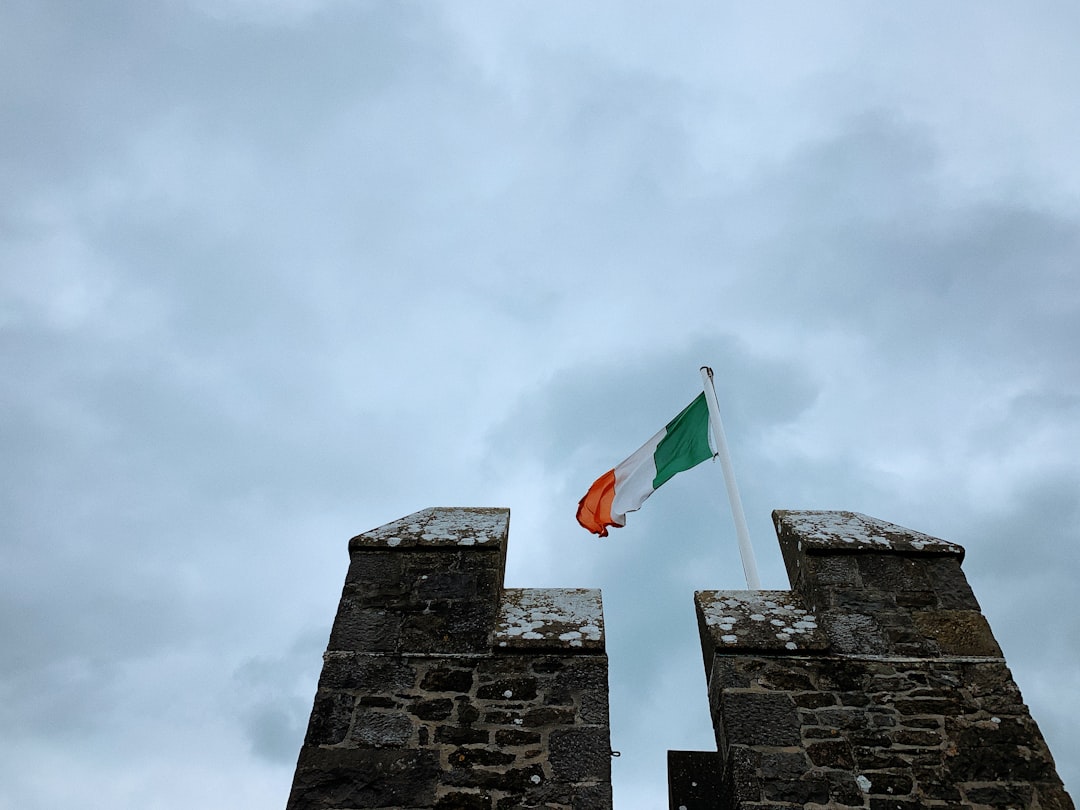
Photo by Tommy Bond on Unsplash
- Áit
-
Barúntacht
Dún Dealgan Uachtarach
-
Ainm Gaeilge
Céin
-
Bailte Fearainn
6 baile fearainn
- Logainm
Luacháil Griffith
Cartlann Náisiúnta na hÉireann (timpeall 1830idí-1850idí)
Taifeadadh 2 sealbhóir i Luacháil Griffith ar fud 2 baile fearainn (1830idí-1850idí).
Príomhshloinnte
Foinse: Leabhair Oifig na Luachála, Cartlann Náisiúnta na hÉireann. Taifid phoiblí.
Gníomhartha Tapa
Faigh an Aip iOS
Cuardaigh ar an mbóthar
Suíomh an Pharóiste
Sonraí
- Béarla
- Kane
- Gaeilge
- Céin
- Barúntacht
- Dún Dealgan Uachtarach
- Áit
- Lú