Maidir Liom
Athenry is a historic parish located in County Galway in the province of Connacht, situated in the eastern part of the county. The landscape surrounding Athenry is characteristic of the Irish midlands, with rolling farmland, gentle hills, and a network of small roads connecting scattered settlements. The parish lies in a region defined by agricultural land use, with pastures and fields dominating the terrain. The River Clarin flows through the area, contributing to the drainage patterns that have shaped settlement and land use throughout the parish's history.
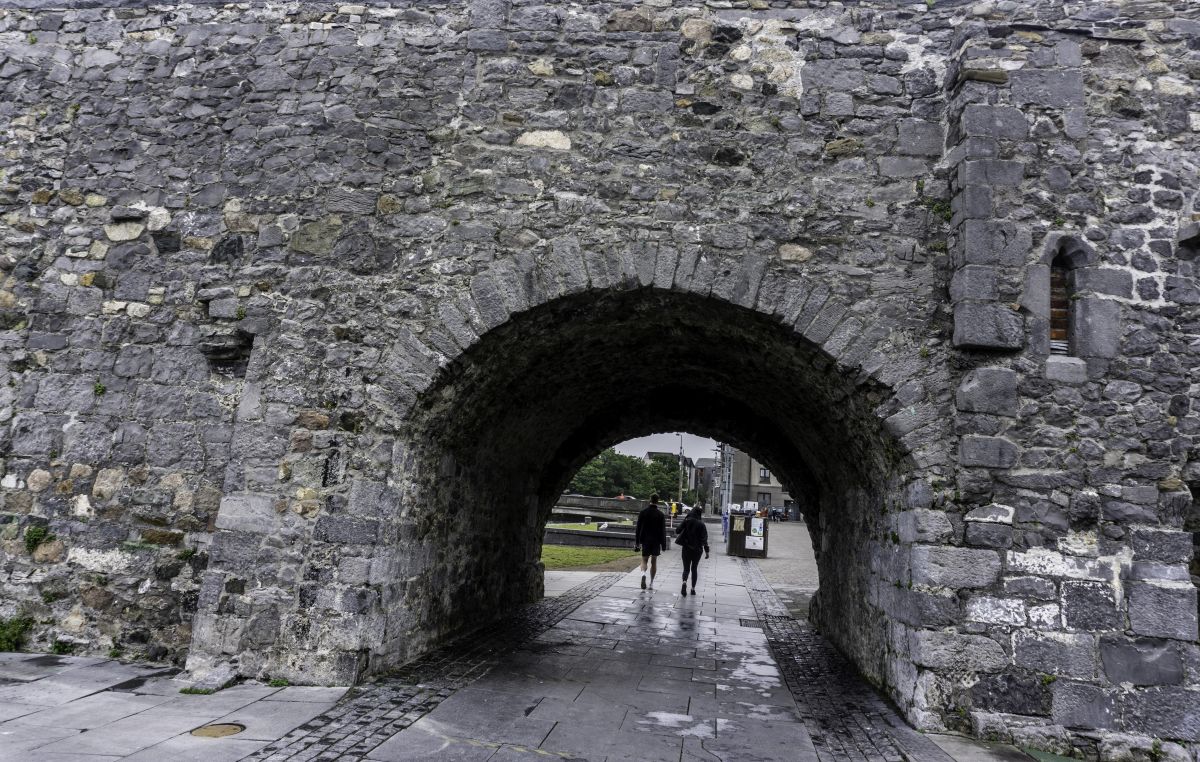
The origins of Athenry as a settlement date back to medieval times, with the parish developing around a fortified position established in the thirteenth century. The Anglo-Norman de Bermingham family played a significant role in the area's development, establishing a castle and walled town as part of their territorial holdings in Connacht. Over subsequent centuries, Athenry developed as a market town and parish center, experiencing the various upheavals that affected Ireland through the late medieval period and into the early modern era. The physical remnants of this medieval past, including parts of the old town walls and castle structures, remain visible features of the landscape.
The parish is perhaps most notable for Athenry Castle and the remains of its medieval town walls, which represent important archaeological and historical features of the area. The parish church and surrounding graveyards reflect centuries of Christian worship and community life in the locality. These structures serve as focal points for the parish and connect residents to the long continuity of settlement and religious practice in Athenry. The town remains a recognizable center within the parish, though like many rural Irish parishes, it has experienced significant social and demographic changes over the past century.
Today, Athenry parish remains part of the fabric of County Galway's rural communities, with the parish boundaries reflecting historical administrative divisions that continue to hold meaning for local residents. The parish serves as a framework for community identity, church organization, and local historical memory. As with many Irish parishes, Athenry represents a nexus of medieval foundations, agricultural heritage, and evolving contemporary community life in rural Ireland.
Source: AI generated
No photo added yet
- Áit
-
Barúntacht
Baile Átha an Rí
-
Ainm Gaeilge
Baile Átha an Rí
-
Bailte Fearainn
90 baile fearainn
- Logainm
Luacháil Griffith
Cartlann Náisiúnta na hÉireann (timpeall 1830idí-1850idí)
Taifeadadh 326 sealbhóir i Luacháil Griffith ar fud 50 baile fearainn (1830idí-1850idí).
Príomhshloinnte
Foinse: Leabhair Oifig na Luachála, Cartlann Náisiúnta na hÉireann. Taifid phoiblí.
Gníomhartha Tapa
Faigh an Aip iOS
Cuardaigh ar an mbóthar
Suíomh an Pharóiste
Sonraí
- Béarla
- Athenry
- Gaeilge
- Baile Átha an Rí
- Barúntacht
- Baile Átha an Rí
- Áit
- Gaillimh