24
Townlands
2,257
Taifid Daonáirimh
398
Teaghlaigh
2
Bliana Daonáirimh
- Daoine
- 1,189
- Teaghlaigh
- 193
- Daoine
- 1,068 -10.2%
- Teaghlaigh
- 205 +6.2%
Maidir Liom
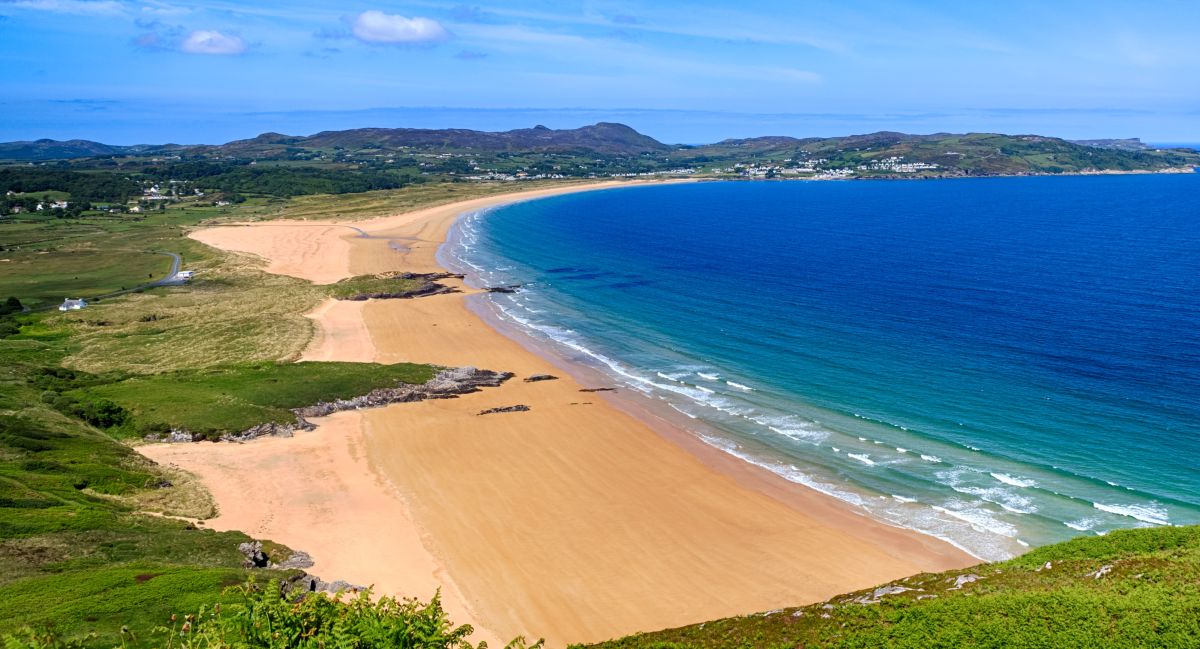
Malin is a small village and district located in the northern part of County Donegal, in the northwest of Ireland. It sits on the Inishowen Peninsula, one of Ireland's most northerly points, and is characterized by rugged coastal landscapes, rolling hills, and moorland terrain. The area is bounded by the Atlantic Ocean to the west and Lough Swilly to the east, giving it a distinctly maritime character. The peninsula's geography has historically made it somewhat isolated, though this remoteness has also preserved much of its natural beauty and traditional character. The village itself is modest in scale but serves as a focal point for the surrounding rural community.
The Inishowen Peninsula, where Malin is situated, has a rich historical heritage stretching back centuries. The area has evidence of early Christian settlement and was significant during medieval times, with various historical sites of archaeological interest scattered throughout the district. Like much of Donegal, Malin experienced the impacts of Irish history, including periods of Plantation settlement and the broader social and economic changes that shaped rural Ireland. The landscape itself bears marks of human habitation and land use over many generations, from ancient field systems to more recent agricultural development.
Malin is perhaps best known to a wider audience through the shipping forecast, as Malin Head is one of the named sea areas used by the British and Irish meteorological services for maritime weather reports. This has given the area a distinctive place in the consciousness of radio listeners far beyond Ireland. The village is also a point of interest for visitors exploring the Inishowen Peninsula, drawn by its coastal scenery, proximity to various historical sites, and its position as one of Ireland's northernmost inhabited areas. The dramatic coastline and moorland landscape offer walking opportunities and photographic interest for those interested in Ireland's natural environment.
For the local community, Malin functions as a service center and gathering place in an otherwise sparsely populated rural area. The district's economy has traditionally been based on farming, fishing, and small-scale tourism, reflecting patterns common to rural northwestern Ireland. Today, Malin remains an important anchor for the surrounding hinterland, though like many rural Irish villages it faces the ongoing challenges of maintaining services and population in an era of rural depopulation and economic change. Its significance lies both in its practical role for local residents and its representation of Ireland's remote, windswept frontier landscape.
Source: AI generated
No photo added yet
- Áit
-
Dlínse
Poblacht na hÉireann
-
Bliana Daonáirimh
1901, 1911
-
Townlands
24 townlands taifeadta
Gníomhartha Tapa
Faigh an Aip iOS
Cuardaigh ar an mbóthar
Suíomh an Cheantair
OpenStreetMapSonraí
- Ceantar
- Malin
- Áit
- Dún na nGall
- Gaeilge
- Dún na nGall
- Dlínse
- Poblacht na hÉireann
Taifid Daonáirimh
Townlands
24Cookie Notice
This site uses essential cookies to keep you signed in and remember your preferences. We do not use analytics or advertising cookies.
Read our Privacy PolicyGet in touch
Message sent
Thanks for getting in touch. I'll get back to you as soon as I can.