335
Paroisses
7,889
Localités
805,800
Registres de recensement
153,500
Foyers
2
Années de recensement
- Personnes
- 403,259
- Foyers
- 76,468
- Personnes
- 402,541 -0.2%
- Foyers
- 77,032 +0.7%
À propos
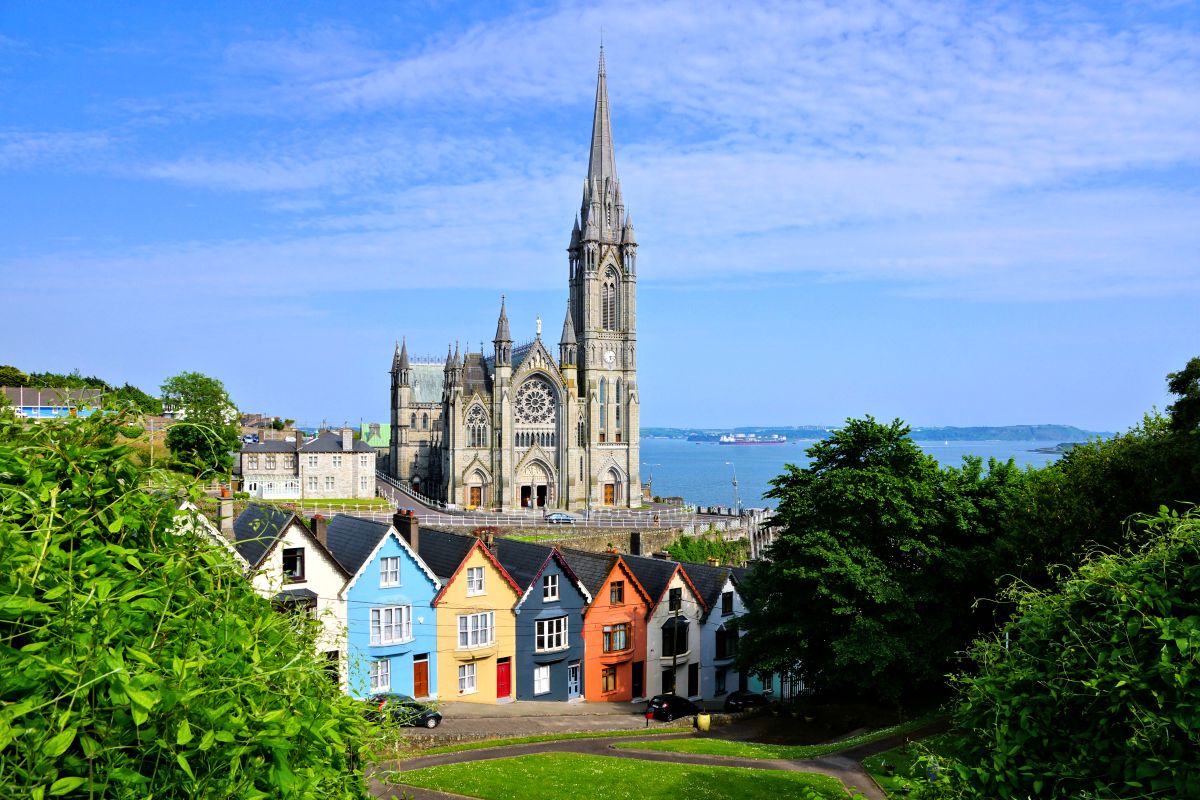
Cork is the southernmost county of Ireland, located in the province of Munster. The county covers an area of approximately 2,880 square kilometers and is bounded by the Atlantic Ocean to the south and west, with Limerick, Tipperary, and Waterford counties bordering it to the north and east. The landscape is notably diverse, featuring rolling hills, river valleys, and a dramatic coastline characterized by peninsulas and sea cliffs. Major geographical features include Bantry Bay and the River Lee, which flows through Cork City.
The history of Cork spans thousands of years, with evidence of human settlement dating back to prehistoric times. The county became particularly significant during medieval times when it was an important Viking settlement, and later a Norman stronghold. Cork played a substantial role in Irish independence movements, particularly during the War of Independence in the early twentieth century, when the county was a center of republican activity. The city of Cork, with its narrow streets and historic quays, reflects this layered historical development.
Cork is known for several distinctive cultural and economic features. The county has a strong agricultural tradition, particularly in dairy farming and food production, with many well-known Irish food brands originating from the region. Cork City, the second-largest city in Ireland, serves as the cultural and economic hub of the county and is recognized for its vibrant arts scene, festivals, and literary heritage. The harbor and maritime history continue to influence the region's character and economy.
For local communities throughout Cork, the county represents both a connection to Irish heritage and identity and a center for contemporary economic and cultural life. The sense of regional pride is notable among Cork residents, who maintain strong community bonds through local traditions, sporting pursuits like Gaelic games, and participation in annual events and festivals. The county's combination of natural beauty, historical significance, and economic vitality makes it a significant part of Ireland's overall cultural and economic landscape.
Source: AI generated
Photo by 𝕡𝕒𝕨𝕤 𝕒𝕟𝕕 𝕡𝕣𝕚𝕟𝕥𝕤 on Unsplash
-
Juridiction
République d'Irlande
-
Nom irlandais
Corcaigh
-
Années de recensement
1901, 1911
-
Districts
407 districts de recensement
- Logainm
Annals of the Four Masters
Historical references from O'Donovan's edition (1848–51)
The Annals of the Four Masters record Cork (Irish: Cork) in 18 entries between AD 1240 and AD 1601.
Medieval
Early Modern
Source: Annals of the Kingdom of Ireland by the Four Masters, ed. John O'Donovan (1848–51). Public domain.
Griffith's Valuation
National Archives of Ireland (c. 1830s-1850s)
409,175 occupiers recorded in Griffith's Valuation across 5,365 townlands (1830s-1850s).
Top Surnames
Source: Valuation Office Books, National Archives of Ireland. Public records.
Actions rapides
Obtenir l'application iOS
Recherchez en déplacement
Frontière du comté
OpenStreetMapDétails
- Anglais
- Cork
- Irlandais
- Corcaigh
- Juridiction
- République d'Irlande