
55
Census Records
10
Households
1
Census Year
- People
- 55
- Households
- 10
About
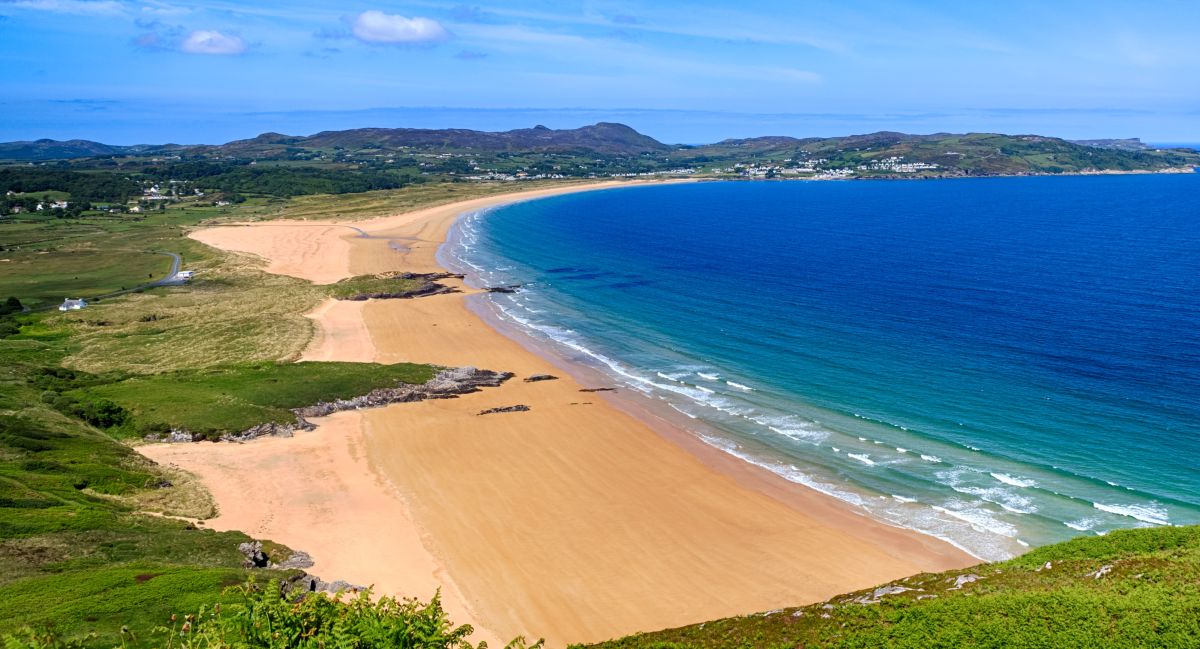
Drummacanoo is a small townland located in County Donegal in the northwest of Ireland, situated within the broader landscape of the Donegal peninsula. The townland forms part of the rural, sparsely populated areas characteristic of inland Donegal, where rolling hills, moorland, and pastoral countryside define the terrain. Like many Donegal townlands, Drummacanoo reflects the region's geography of rugged natural features, with the Atlantic-influenced climate creating lush vegetation and often dramatic weather patterns typical of Ireland's northwestern coast and hinterland.
The townland, like much of Donegal, has deep historical roots connected to Irish rural life, Gaelic heritage, and the patterns of settlement that developed across the region over centuries. The name itself, derived from Irish, reflects the Gaelic linguistic and cultural traditions that remain significant to Donegal's identity. The area would have experienced the various historical transitions that shaped rural Ireland, from early settlement patterns through to the modern era, though specific documented events relating to Drummacanoo itself are limited in broad historical records.
Drummacanoo represents the dispersed rural settlement pattern common throughout Donegal, where small townlands contain scattered houses and farms rather than nucleated village centers. The community aspect of such townlands is often maintained through local social ties, shared agricultural heritage, and connections to the broader parish structure. Like many rural Donegal townlands, Drummacanoo forms part of the cultural and administrative fabric of its parish, contributing to the distinctive character of the region's countryside where traditional Irish rural life continues in various forms.
Source: AI generated
No photo added yet
- Parish
- County
-
Barony
Kilmacrenan
- Logainm
Valuation Office Records
From the National Archives of Ireland (c. 1830s–1850s)
1 occupiers recorded in the Valuation Office Books for this townland.
Source: Valuation Office Books, National Archives of Ireland. Public records.
No comments yet. Be the first to share your research!