
29
Census Records
5
Households
1
Census Year
- People
- 29
- Households
- 5
About
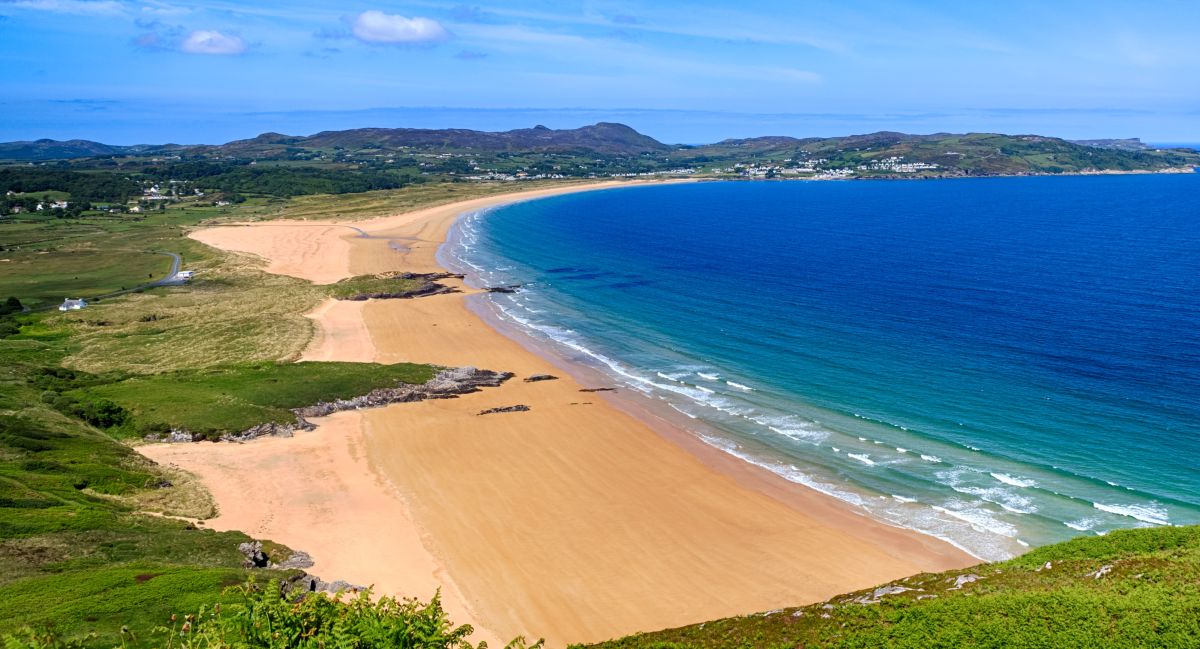
Drumbologe is a small townland located in County Donegal in the northwest of Ireland, situated within the broader landscape of the Donegal Peninsula. The townland encompasses rural countryside characteristic of this region, with rolling hills and access to the varied terrain that defines much of County Donegal. Like many Irish townlands, Drumbologe represents one of thousands of small geographical divisions that form the traditional administrative framework of the Irish landscape, each with its own distinct identity within the wider parish and baronial structure.
The history of Drumbologe, as with many rural Irish townlands, is intertwined with the broader historical patterns of County Donegal. The region has been shaped by various historical periods including Gaelic Irish settlement, Norman influence, and later English rule. Townlands across Donegal carry names of Irish origin, often reflecting aspects of the landscape, local families, or historical figures. The precise etymology and specific historical events associated with Drumbologe itself would be documented in local historical records and Ordnance Survey materials specific to the area.
Drumbologe remains part of the living landscape of Donegal, where rural communities maintain connections to the land through agriculture and traditional ways of life. The townland, like others in the region, contributes to the cultural and geographical identity of its parish and the broader county. For residents and those with ancestral connections to the area, townlands such as Drumbologe serve as important markers of place and heritage, particularly for those researching family history or studying the intricate administrative divisions that characterize the Irish countryside.
Source: AI generated
No photo added yet
- Parish
- County
-
Barony
Kilmacrenan
- Logainm
Valuation Office Records
From the National Archives of Ireland (c. 1830s–1850s)
1 occupiers recorded in the Valuation Office Books for this townland.
Source: Valuation Office Books, National Archives of Ireland. Public records.
No comments yet. Be the first to share your research!