97
Taifid Daonáirimh
22
Teaghlaigh
2
Bliana Daonáirimh
- Daoine
- 42
- Teaghlaigh
- 11
- Daoine
- 55 +31%
- Teaghlaigh
- 11 0%
Maidir Liom
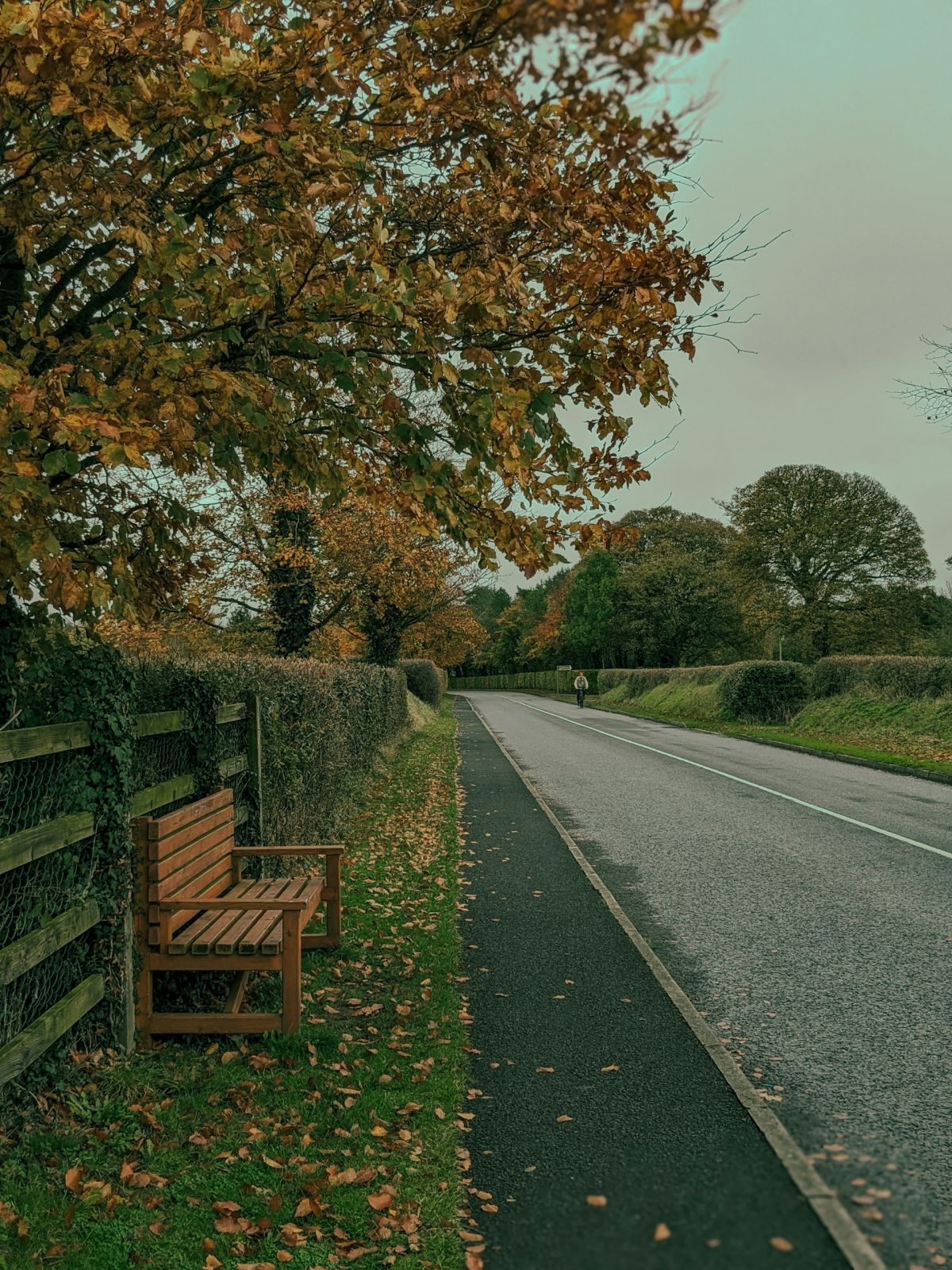
Tullynarney is a small townland located in County Monaghan in the province of Ulster in the north of Ireland. The townland sits within the broader landscape of Monaghan, a county characterized by its drumlin topography—a distinctive rolling terrain formed by glacial activity during the last ice age. The region is dotted with small lakes, hedgerows, and pastoral fields typical of the Irish midlands and border counties. Like many townlands in this part of Ireland, Tullynarney represents a traditional unit of land division that has been fundamental to the organization of the Irish landscape since medieval times, with roots extending back centuries into Irish administrative and social structures.
The townland system itself, of which Tullynarney is part, emerged from a complex history of Irish land organization, feudal settlement, and English colonial administration. Townlands became standardized during the plantation periods and subsequent land surveys, particularly those conducted in the 17th and 18th centuries. County Monaghan's history reflects broader patterns of Ulster's development, including the plantation of Ulster in the early 1600s and the subsequent waves of settlement and land management that shaped the county's demographic and agricultural character. As with many townlands in the region, Tullynarney would have been subject to various landlord arrangements and tenure patterns that characterized rural Ireland through the centuries.
Monaghan as a whole has maintained its agricultural character and close-knit rural community identity into the modern era. Townlands like Tullynarney serve as important geographic and social reference points for local residents, maintaining traditional place-names and local knowledge. The townland system, despite significant changes to Irish society, continues to function as a meaningful unit of local identity and geographic reference in rural areas. The landscape around such townlands typically includes small family farms, local roads connecting villages and market towns, and the kind of intimate knowledge of place that characterizes long-established rural communities in Ireland.
Source: AI generated
No photo added yet
- Paróiste
- Áit
-
Ainm Gaeilge
Tulaigh na nAirne
-
Barúntacht
Muineachán
- Logainm
Gníomhartha Tapa
Faigh an Aip iOS
Cuardaigh ar an mbóthar
Suíomh an Bhaile Fearainn
OpenStreetMapSonraí
- Béarla
- Tullynarney
- Gaeilge
- Tulaigh na nAirne
- Paróiste
- An Chill Mhór
- Barúntacht
- Muineachán
- Áit
- Muineachán