1,454
Taifid Daonáirimh
262
Teaghlaigh
2
Bliana Daonáirimh
- Daoine
- 788
- Teaghlaigh
- 138
- Daoine
- 666 -15.5%
- Teaghlaigh
- 124 -10.1%
Maidir Liom
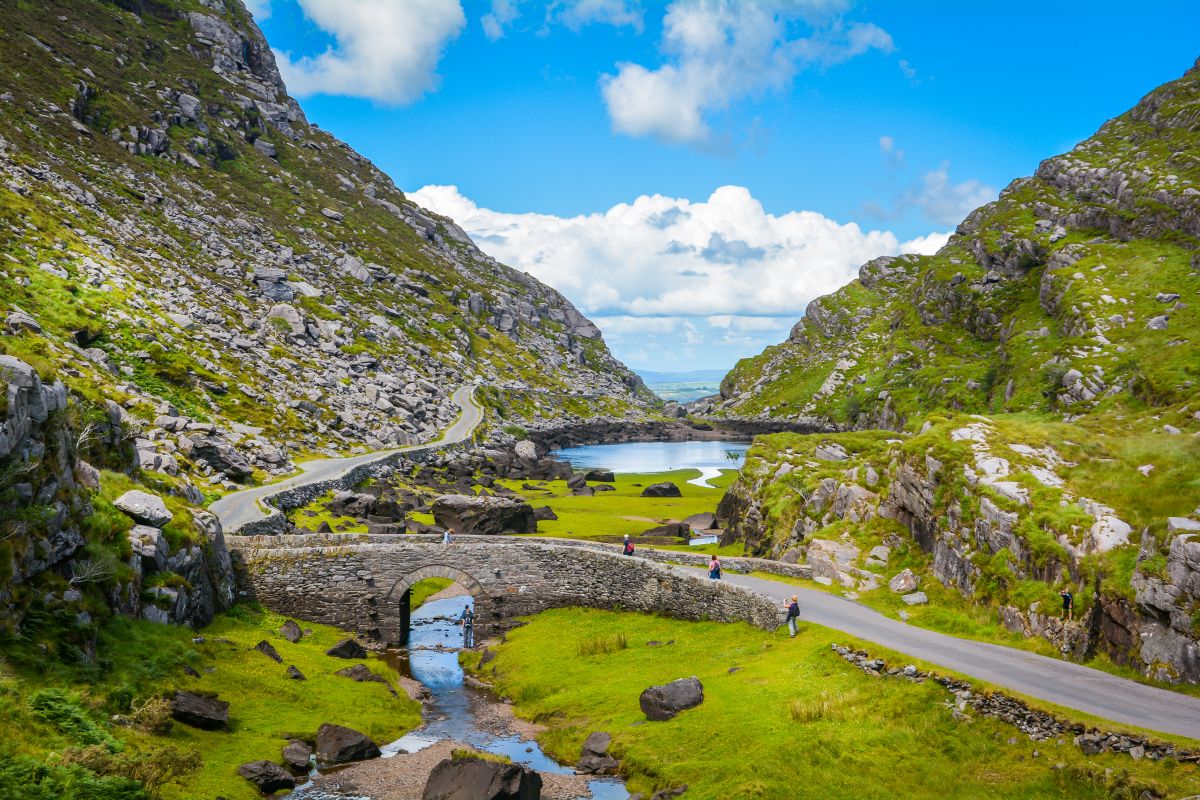
Tullig is a small townland located in County Kerry in the southwest of Ireland, situated within the wider landscape of the Dingle Peninsula region. The area is characterized by the rugged terrain typical of this part of County Kerry, with rolling hills, moorland, and pastoral farmland forming the dominant features of the local geography. The townland, like many in rural Kerry, consists primarily of scattered houses and farms rather than a concentrated settlement, reflecting the dispersed pattern of habitation common throughout rural Ireland. The proximity to the Atlantic coastline and the influence of the Gulf Stream contribute to the temperate maritime climate that shapes both the landscape and agricultural practices of the region.
The history of Tullig, as with most Irish townlands, is deeply rooted in the broader historical patterns of County Kerry and the southwest. The townland system itself reflects the Anglo-Norman land divisions imposed on Ireland from the medieval period onwards, though human settlement in the area predates these administrative categories by centuries. Like much of Kerry, Tullig would have experienced the various historical upheavals that marked Irish history, including the Plantation period, the Great Famine of the 1840s, and the subsequent emigration waves that characterized the 19th and 20th centuries. The local community would have been shaped by these larger historical forces, though detailed specific records of Tullig itself may be limited in readily available sources.
Tullig remains part of the living rural community of County Kerry, functioning as an agricultural townland where farming, particularly sheep and cattle rearing, continues to sustain the local population. The townland is part of the broader cultural landscape of the Dingle Peninsula, an area known for its strong Irish language heritage and traditional Irish culture. For residents and those with family connections to the area, Tullig represents continuity with rural Irish life and serves as an anchor point for cultural and familial identity. The townland, though small and relatively quiet by modern standards, remains significant to those who inhabit it and to the many Irish diaspora members who maintain connections to their ancestral homes in places like Tullig.
Source: AI generated
No photo added yet
- Paróiste
- Áit
-
Ainm Gaeilge
An Tulaigh
-
Barúntacht
Triúcha an Aicme
- Logainm
Taifid Oifig na Luachála
Ó Chartlann Náisiúnta na hÉireann (timpeall 1830idí–1850idí)
Taifeadadh 70 sealbhóir i Leabhair Oifig na Luachála don bhaile fearainn seo.
Foinse: Leabhair Oifig na Luachála, Cartlann Náisiúnta na hÉireann. Taifid phoiblí.
Gníomhartha Tapa
Faigh an Aip iOS
Cuardaigh ar an mbóthar
Suíomh an Bhaile Fearainn
OpenStreetMapSonraí
- Béarla
- Tullig
- Gaeilge
- An Tulaigh
- Paróiste
- Oileán Ciarraí
- Barúntacht
- Triúcha an Aicme
- Áit
- Ciarraí