Maidir Liom
Tullig is a small townland located in County Cork, in the southwestern region of Ireland. It sits within the broader landscape of Cork's varied terrain, characterized by rolling hills, farmland, and the natural features typical of this part of Munster. Like many Irish townlands, Tullig represents a historic land division that reflects centuries of settlement patterns and agricultural organization across the Irish countryside. The townland system itself dates back to medieval times and remains an important geographical and administrative reference point for understanding Ireland's rural communities.
The area around Tullig, like much of Cork, has a history deeply rooted in agriculture and rural settlement. The townland would have been part of the complex land tenure systems that evolved through Irish history, including periods of Norman settlement, English plantation, and the subsequent development of the Irish landed estate system. The stone walls, field boundaries, and settlement patterns visible in the landscape often bear testimony to these long historical processes, though the specific documented history of Tullig itself may be limited compared to larger settlements.
Tullig, being a small rural townland, would be primarily significant as a community space for local residents engaged in farming and rural life. The townland serves as an important reference point for locals in identifying their place and heritage within Cork's geography. Such small communities often maintain cultural continuity through family connections, local knowledge, and participation in broader parish activities, though detailed records of particular events or notable features specific to Tullig may be sparse in readily available historical sources.
Understanding places like Tullig contributes to a fuller picture of Irish rural life and settlement patterns beyond the larger towns and cities. These townlands represent the foundation of Ireland's community structure and agricultural heritage, and they remain meaningful to the people who live in and maintain connections to them, even as rural Ireland continues to evolve and change.
Source: AI generated

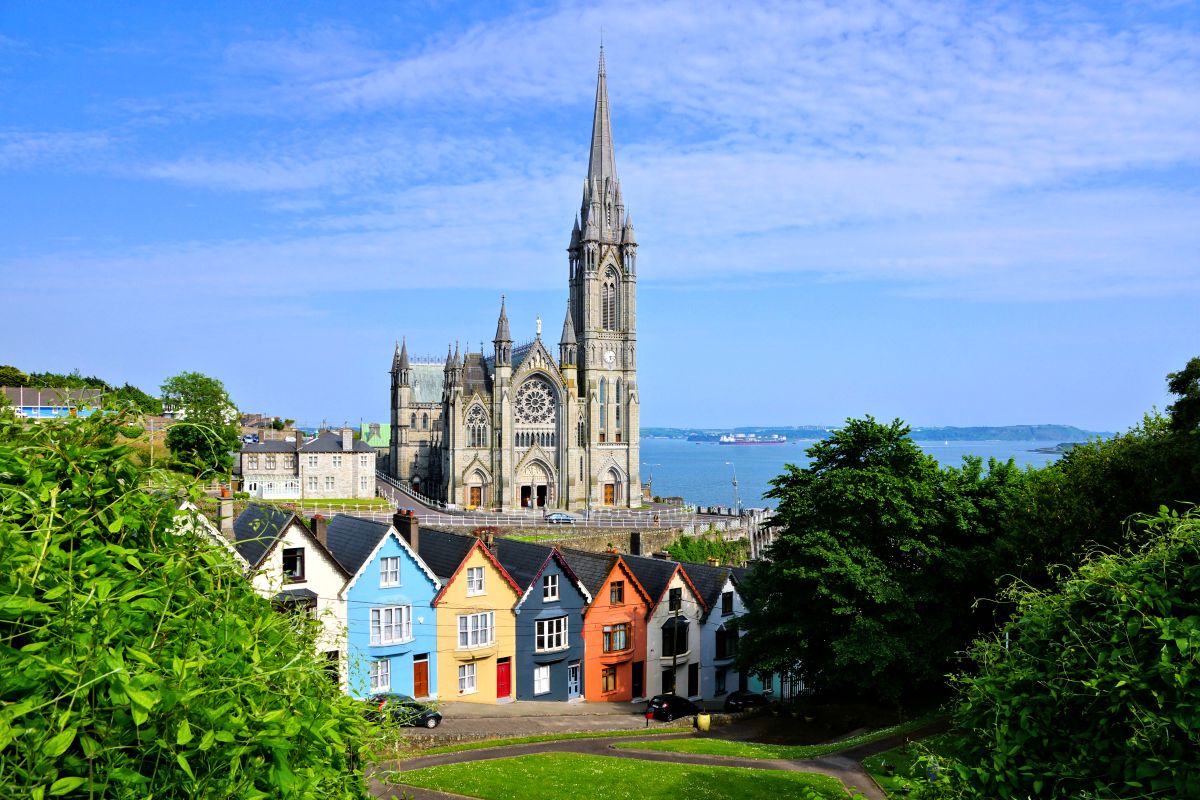
Photo by Michael Starkie on Unsplash
- Paróiste
- Áit
-
Ainm Gaeilge
An Tulaigh
-
Barúntacht
Múscraí Thiar
- Logainm
Taifid Oifig na Luachála
Ó Chartlann Náisiúnta na hÉireann (timpeall 1830idí–1850idí)
Taifeadadh 241 sealbhóir i Leabhair Oifig na Luachála don bhaile fearainn seo.
Foinse: Leabhair Oifig na Luachála, Cartlann Náisiúnta na hÉireann. Taifid phoiblí.
Gníomhartha Tapa
Faigh an Aip iOS
Cuardaigh ar an mbóthar
Suíomh an Bhaile Fearainn
OpenStreetMapSonraí
- Béarla
- Tullig
- Gaeilge
- An Tulaigh
- Paróiste
- An Driseán
- Barúntacht
- Múscraí Thiar
- Áit
- Corcaigh