37
Taifid Daonáirimh
6
Teaghlaigh
2
Bliana Daonáirimh
- Daoine
- 17
- Teaghlaigh
- 3
- Daoine
- 20 +17.6%
- Teaghlaigh
- 3 0%
Maidir Liom
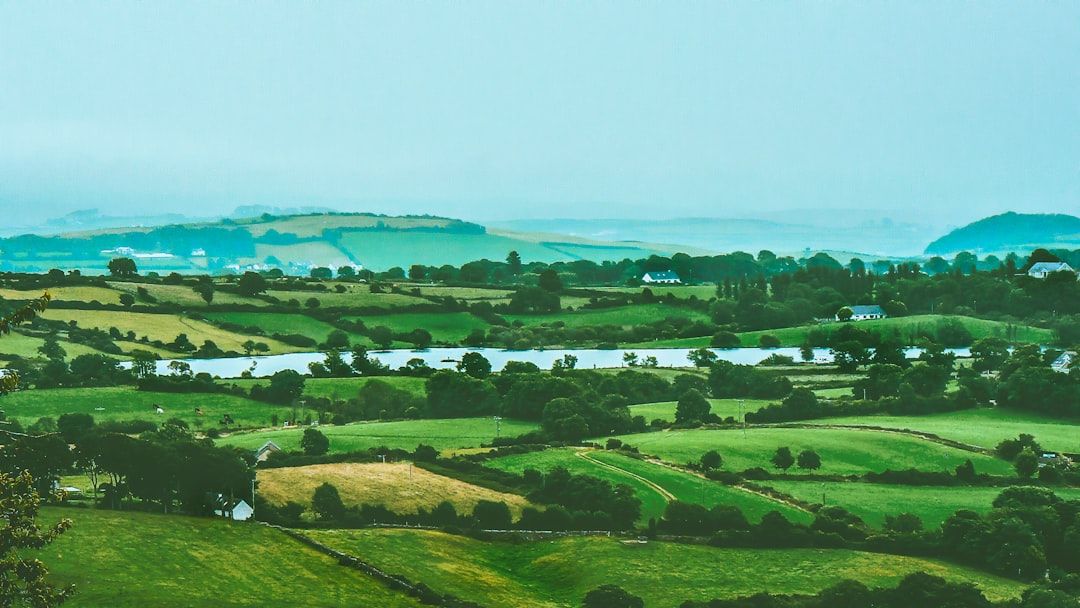
Ralish is a small townland situated in County Laois in the midlands of Ireland. Like many Irish townlands, it forms part of the broader rural landscape that characterizes much of the county, with gently rolling terrain typical of the central plain region. The townland sits within an agricultural area where farming has long been the primary economic activity, and the surrounding landscape reflects centuries of pastoral land use. County Laois itself occupies a strategic position in Ireland's interior, and Ralish's location within this county places it in an area with significant historical depth and traditional rural settlement patterns.
The history of Ralish, as with many Irish townlands, is deeply connected to the broader historical patterns of County Laois. The townland system itself was largely formalized during the medieval period and particularly during the plantations of the 16th and 17th centuries, when many existing settlements were reorganized and renamed. Laois has a complex history involving the O'Moore clan, Anglo-Norman settlement, and later English colonization, elements that shaped the settlement patterns visible in the county today. While specific detailed records of Ralish may be limited in widely available historical sources, the townland would have participated in the broader social and economic changes that affected rural Laois over the centuries.
Like other rural townlands in County Laois, Ralish would have served primarily as an agricultural settlement, with local farming families working the land and contributing to the subsistence and commercial agricultural economy of the region. The townland system, comprising several hundred such divisions across Ireland, represents a fundamental unit of rural organization and land tenure. These townlands have maintained their historical significance as administrative and cadastral divisions, even as rural populations have shifted and agricultural practices have evolved. For local residents and those with ancestral connections to the area, townlands like Ralish retain importance as markers of family history and community identity.
Ralish's significance today lies primarily in its role as part of the cultural and historical fabric of County Laois. Like many Irish townlands, it represents continuity with Ireland's medieval and early modern past, and many people with family roots in such areas maintain a connection to these place names across generations and even across international migration. The townland divisions remain important for genealogical research and for understanding the settlement geography of rural Ireland. For the local community, Ralish continues as part of the lived landscape of the county, part of the network of named places that structure daily life and local knowledge in rural Laois.
Source: AI generated
No photo added yet
- Paróiste
- Áit
-
Ainm Gaeilge
Ráth Lis
-
Barúntacht
Cuileannach
- Logainm
Gníomhartha Tapa
Faigh an Aip iOS
Cuardaigh ar an mbóthar
Suíomh an Bhaile Fearainn
OpenStreetMapSonraí
- Béarla
- Ralish
- Gaeilge
- Ráth Lis
- Paróiste
- Díseart Gailine
- Barúntacht
- Cuileannach
- Áit
- Laois