89
Taifid Daonáirimh
15
Teaghlaigh
2
Bliana Daonáirimh
- Daoine
- 51
- Teaghlaigh
- 8
- Daoine
- 38 -25.5%
- Teaghlaigh
- 7 -12.5%
Maidir Liom
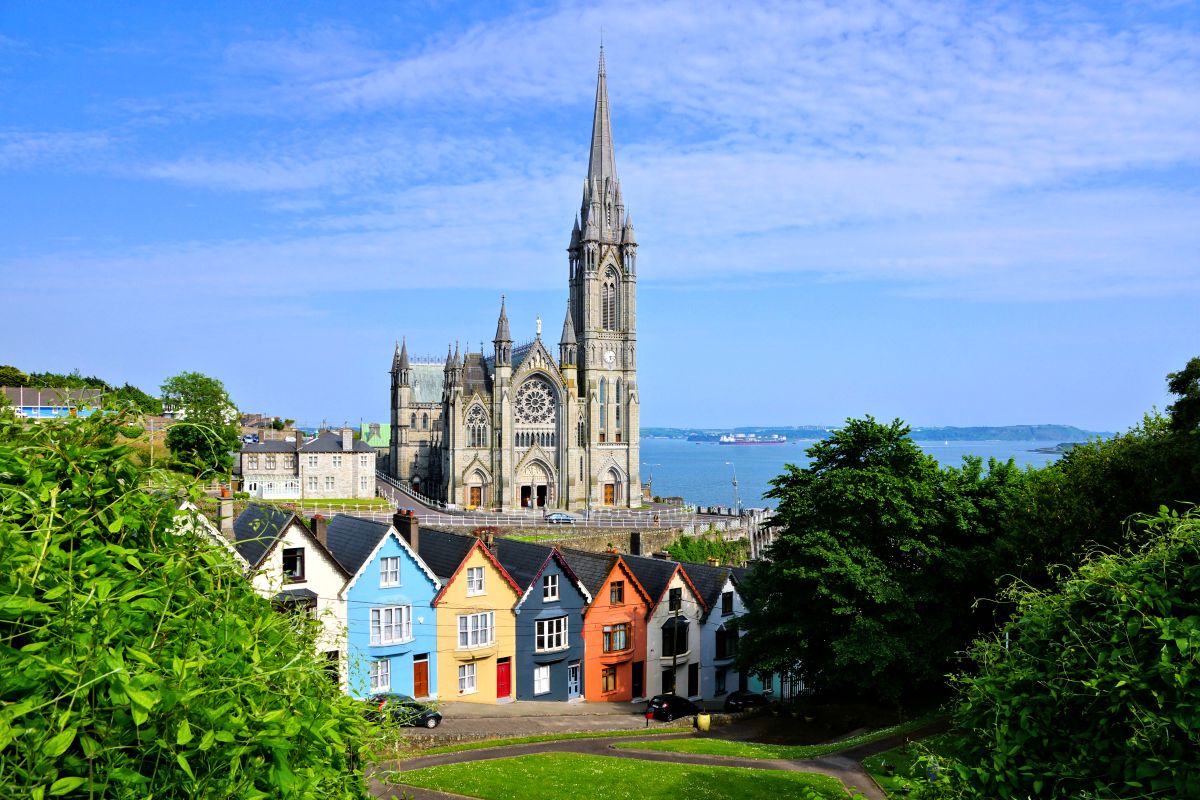
Rahoonagh East is a small townland located in County Cork in the Munster province of Ireland. It sits in the southwestern region of the country, characterized by the rolling hills and coastal influences typical of Cork's landscape. The townland is part of the broader Rahoonagh area, which comprises several small settlements distributed across this rural corner of Cork. The terrain reflects the county's geology, with pastoral fields, stone walls, and the vegetation patterns common to Ireland's Atlantic-facing regions. Like many Cork townlands, it experiences a temperate maritime climate with regular rainfall that sustains the agricultural character of the surrounding countryside.
The history of Rahoonagh East, as with most Irish townlands, is deeply rooted in centuries of settlement and land use. Townlands in Ireland represent some of the oldest divisions of land, with their origins often tracing back to Gaelic Ireland before the Norman invasion and subsequent English administrative reorganization. These small territorial units served as the basis for taxation, local governance, and community organization. The specific historical development of Rahoonagh East would be connected to broader patterns of rural Irish life, land tenure changes during different periods of Irish history, and the evolution of agricultural practices in Cork.
Today, Rahoonagh East remains a rural townland characteristic of inland Cork, where agriculture and small-scale farming continue to form the backbone of local life. The community is part of the wider network of settlements that give Cork its distinctive patchwork of inhabited countryside. While specific notable features or major historical events particular to Rahoonagh East are not prominently documented in widely available sources, the townland's significance lies in its role as a functioning rural community and as part of Cork's cultural and agricultural heritage. Such townlands collectively represent the continuity of Irish rural life and landscape management across generations.
Source: AI generated
No photo added yet
- Paróiste
- Áit
-
Ainm Gaeilge
An Rathúnach Thoir
-
Barúntacht
Múscraí Thiar
- Logainm
Taifid Oifig na Luachála
Ó Chartlann Náisiúnta na hÉireann (timpeall 1830idí–1850idí)
Taifeadadh 41 sealbhóir i Leabhair Oifig na Luachála don bhaile fearainn seo.
Foinse: Leabhair Oifig na Luachála, Cartlann Náisiúnta na hÉireann. Taifid phoiblí.
Gníomhartha Tapa
Faigh an Aip iOS
Cuardaigh ar an mbóthar
Suíomh an Bhaile Fearainn
OpenStreetMapSonraí
- Béarla
- Rahoonagh East
- Gaeilge
- An Rathúnach Thoir
- Paróiste
- Baile Bhuirne
- Barúntacht
- Múscraí Thiar
- Áit
- Corcaigh