107
Taifid Daonáirimh
20
Teaghlaigh
2
Bliana Daonáirimh
- Daoine
- 54
- Teaghlaigh
- 10
- Daoine
- 53 -1.9%
- Teaghlaigh
- 10 0%
Maidir Liom
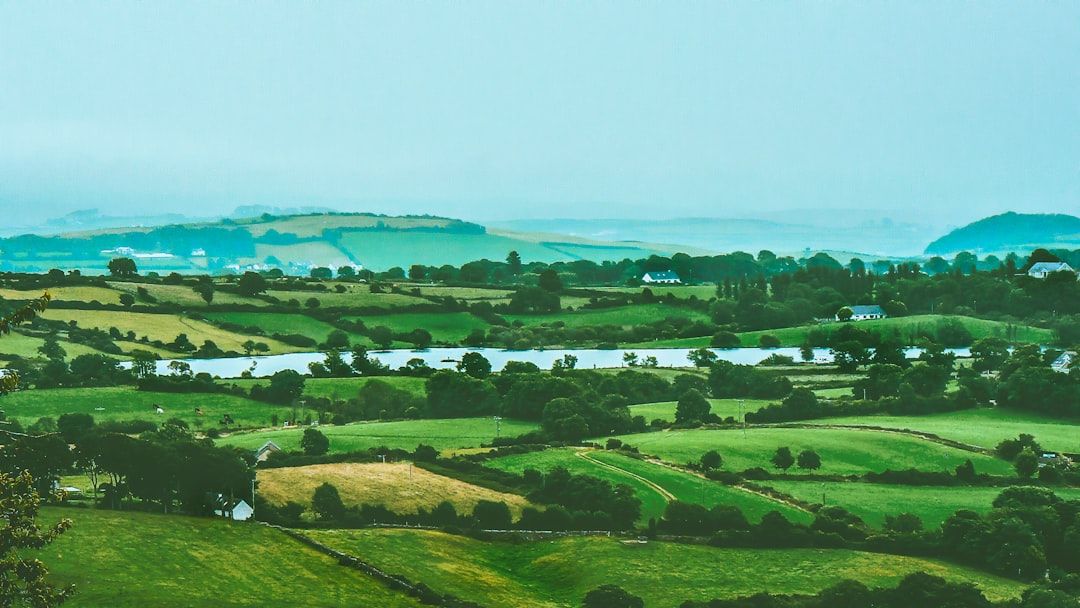
Moat is a small townland located in County Laois in the Irish Midlands, a region characterized by rolling farmland, bog, and a patchwork of fields divided by hedgerows and stone walls. The townland sits within the broader landscape of the county, which is predominantly agricultural and relatively low-lying compared to the mountain ranges found in neighboring counties. Like many Irish townlands, Moat represents a small geographic unit that historically served administrative and social functions, with its boundaries often reflecting ancient land divisions and ownership patterns. The surrounding terrain is typical of Laois, featuring a mix of improved pasture, rough grazing land, and remnants of the extensive boglands that once characterized the Irish Midlands.
The history of townlands like Moat is deeply embedded in Ireland's complex past, shaped by Gaelic settlement patterns, Norman invasion and plantation policies, and later landlord systems that dominated rural Ireland from medieval times through the nineteenth century. Moat, like many Irish townlands, may derive its name from significant features in the landscape—the "moat" likely referring to an earthwork fortification or defensive structure that once stood there, possibly dating to the medieval period when such structures were common across Ireland. These archaeological remains, whether surviving visibly or existing only in place names and folk memory, provide tangible links to Ireland's pre-modern history and the successive waves of settlement and conflict that shaped the landscape.
The significance of Moat to its local community would have been grounded in practical, everyday functions typical of rural Irish townlands. As a named geographic unit, it served administrative purposes for taxation, land tenure, and civil organization. For residents, it represented a local identity and a center of social and economic activity, with community ties formed through shared land use, kinship networks, and participation in local affairs. Like other townlands in the region, Moat would have been home to farming families whose livelihoods depended on the land, making it an essential part of the social and economic fabric of rural County Laois.
Today, Moat remains part of the historic patchwork of Irish townlands, many of which continue to hold meaning for descendants and those with family connections to rural Ireland. While the economic and social structures that once centered on townlands have transformed dramatically with modernization, mechanization, and emigration, these geographic units persist as place names on maps and in administrative records. For local residents, genealogists, and those interested in Irish rural heritage, townlands like Moat serve as anchors to understanding Ireland's agricultural past and the lives of the farming families who built their communities in the Irish countryside.
Source: AI generated
No photo added yet
- Paróiste
- Áit
-
Ainm Gaeilge
An Móta
-
Barúntacht
Cuileannach
- Logainm
Gníomhartha Tapa
Faigh an Aip iOS
Cuardaigh ar an mbóthar
Suíomh an Bhaile Fearainn
OpenStreetMapSonraí
- Béarla
- Moat
- Gaeilge
- An Móta
- Paróiste
- Díseart Gailine
- Barúntacht
- Cuileannach
- Áit
- Laois