112
Taifid Daonáirimh
21
Teaghlaigh
2
Bliana Daonáirimh
- Daoine
- 65
- Teaghlaigh
- 11
- Daoine
- 47 -27.7%
- Teaghlaigh
- 10 -9.1%
Maidir Liom
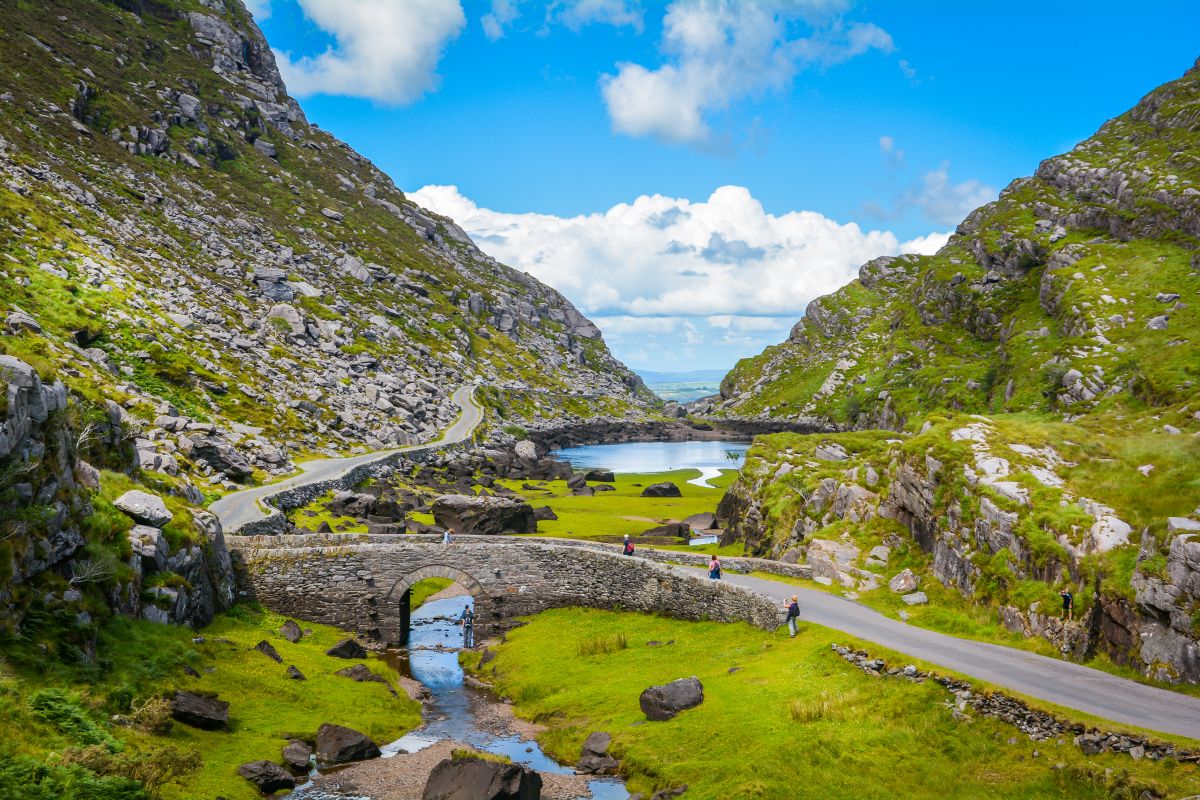
Magherabeg is a small townland located in County Kerry in the southwestern region of Ireland. The townland sits within the broader landscape of the Dingle Peninsula, an area characterized by rugged coastal terrain, rolling hills, and fertile agricultural land. Like many Irish townlands, Magherabeg represents a traditional administrative division of land, typically comprising several hundred acres. The landscape in this part of Kerry is marked by the influence of the Atlantic Ocean, with weather patterns and geography shaped by its proximity to the coast. The surrounding area features a mix of moorland, pasture, and small settlements typical of rural Kerry.
The history of Magherabeg, as with many Irish townlands, is rooted in the medieval and early modern periods when such divisions were formalized for administrative and property purposes. The name itself, like many Irish place names, derives from the Irish language—"Magh" meaning plain or field, suggesting the agricultural character of the land. The area would have been inhabited and worked for centuries, with the population engaged primarily in farming, herding, and related rural pursuits. As with much of Kerry, the townland's history intersects with broader Irish historical events, including periods of land ownership changes and the impacts of the Great Famine on rural communities.
Magherabeg remains a quiet rural area with significance primarily to those with family connections or agricultural interests in the region. Like many small Irish townlands, it serves as an important reference point for genealogical research and local historical documentation. The townland contributes to the cultural and geographical identity of the Dingle Peninsula, preserving a traditional pattern of Irish land organization and settlement. For locals and descendants of the area, such townlands maintain cultural continuity and connection to ancestral lands, serving as anchors for community identity even as rural populations have shifted over time.
Source: AI generated
No photo added yet
- Paróiste
- Áit
-
Ainm Gaeilge
An Machaire Beag
-
Barúntacht
Corca Dhuibhne
- Logainm
Taifid Oifig na Luachála
Ó Chartlann Náisiúnta na hÉireann (timpeall 1830idí–1850idí)
Taifeadadh 12 sealbhóir i Leabhair Oifig na Luachála don bhaile fearainn seo.
Foinse: Leabhair Oifig na Luachála, Cartlann Náisiúnta na hÉireann. Taifid phoiblí.
Gníomhartha Tapa
Faigh an Aip iOS
Cuardaigh ar an mbóthar
Suíomh an Bhaile Fearainn
OpenStreetMapSonraí
- Béarla
- Magherabeg
- Gaeilge
- An Machaire Beag
- Paróiste
- Cill Aighne
- Barúntacht
- Corca Dhuibhne
- Áit
- Ciarraí