87
Taifid Daonáirimh
15
Teaghlaigh
2
Bliana Daonáirimh
- Daoine
- 46
- Teaghlaigh
- 8
- Daoine
- 41 -10.9%
- Teaghlaigh
- 7 -12.5%
Maidir Liom
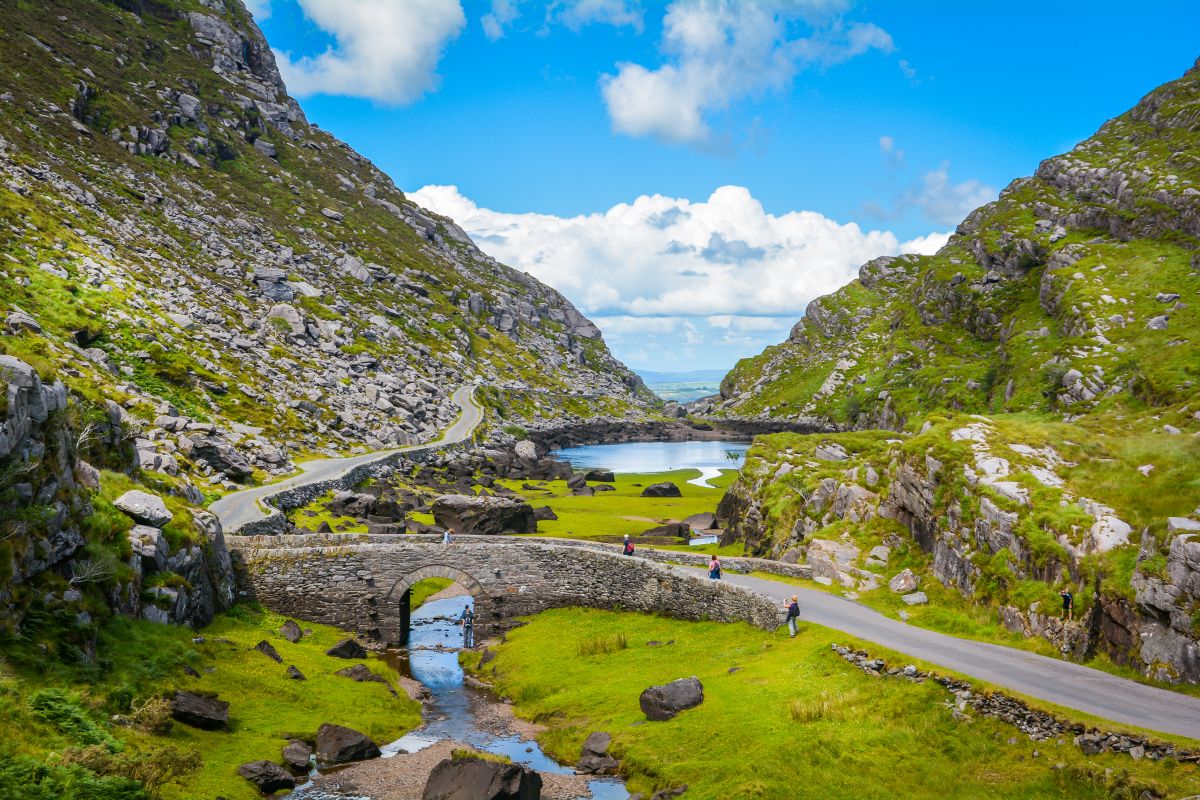
Kilnarovanagh is a small townland located in County Kerry in the southwest of Ireland. The area is situated within the broader landscape of the Kerry peninsula, characterized by rolling hills, moorland, and the typical topography of Ireland's southwestern region. Like many Kerry townlands, Kilnarovanagh reflects the undulating terrain and rural character that defines much of the inland portions of the county, away from the dramatic coastal cliffs and mountain ranges for which Kerry is internationally known.
The history of Kilnarovanagh, like that of many Irish townlands, is rooted in the medieval and early modern administrative divisions of the island. The townland system itself represents a layer of Irish geography that developed over centuries, with origins in both Gaelic and Anglo-Norman settlement patterns. The name itself, like many Irish place names, likely derives from Irish language roots, though the specific historical narrative of Kilnarovanagh's settlement and development would require detailed local historical records to establish with certainty.
Kilnarovanagh, as a rural townland in Kerry, would have been shaped by the agricultural and pastoral economy that has long characterized the region. The community would have been organized around farming, with local families working the land and maintaining the pastoral traditions common to rural Kerry. The townland represents the type of small, dispersed settlement pattern typical of rural Ireland, where families were spread across the landscape rather than concentrated in villages.
Today, Kilnarovanagh remains part of the living fabric of County Kerry's rural heritage. For local residents and those with family connections to the area, the townland carries cultural and personal significance as a place of heritage and community identity. Like many rural Irish townlands, it represents both a geographic location and a social space that connects people to the Irish landscape and to generations of family history.
Source: AI generated
No photo added yet
- Paróiste
- Áit
-
Ainm Gaeilge
Cill na Rómhánach
-
Barúntacht
Maigh gCoinchinn
- Logainm
Taifid Oifig na Luachála
Ó Chartlann Náisiúnta na hÉireann (timpeall 1830idí–1850idí)
Taifeadadh 124 sealbhóir i Leabhair Oifig na Luachála don bhaile fearainn seo.
Foinse: Leabhair Oifig na Luachála, Cartlann Náisiúnta na hÉireann. Taifid phoiblí.
Gníomhartha Tapa
Faigh an Aip iOS
Cuardaigh ar an mbóthar
Suíomh an Bhaile Fearainn
OpenStreetMapSonraí
- Béarla
- Kilnarovanagh
- Gaeilge
- Cill na Rómhánach
- Paróiste
- Cill Bheanáin
- Barúntacht
- Maigh gCoinchinn
- Áit
- Ciarraí