39
Taifid Daonáirimh
6
Teaghlaigh
1
Bliain Daonáirimh
- Daoine
- 39
- Teaghlaigh
- 6
Maidir Liom
Killognaveen North is a townland located in County Kerry in the southwestern region of Ireland. It sits within the broader landscape of the Dingle Peninsula area, characterized by the rugged terrain typical of this part of Ireland. The townland forms part of the intricate patchwork of small administrative divisions that make up the Irish countryside, each with its own distinctive geography and community. Like many Kerry townlands, Killognaveen North is situated amid rolling hills and agricultural land, reflecting the predominately rural character of the region.
The area has deep historical roots extending back centuries, as is common throughout County Kerry. The townland's name, like many Irish place names, carries Gaelic origins that reflect the region's Celtic heritage and long settlement history. Throughout the medieval and early modern periods, Kerry was shaped by various historical forces including Anglo-Norman settlement, clan territories, and the broader patterns of Irish historical development. Killognaveen North, though a small townland, exists within this broader historical context that has shaped the wider county and region.
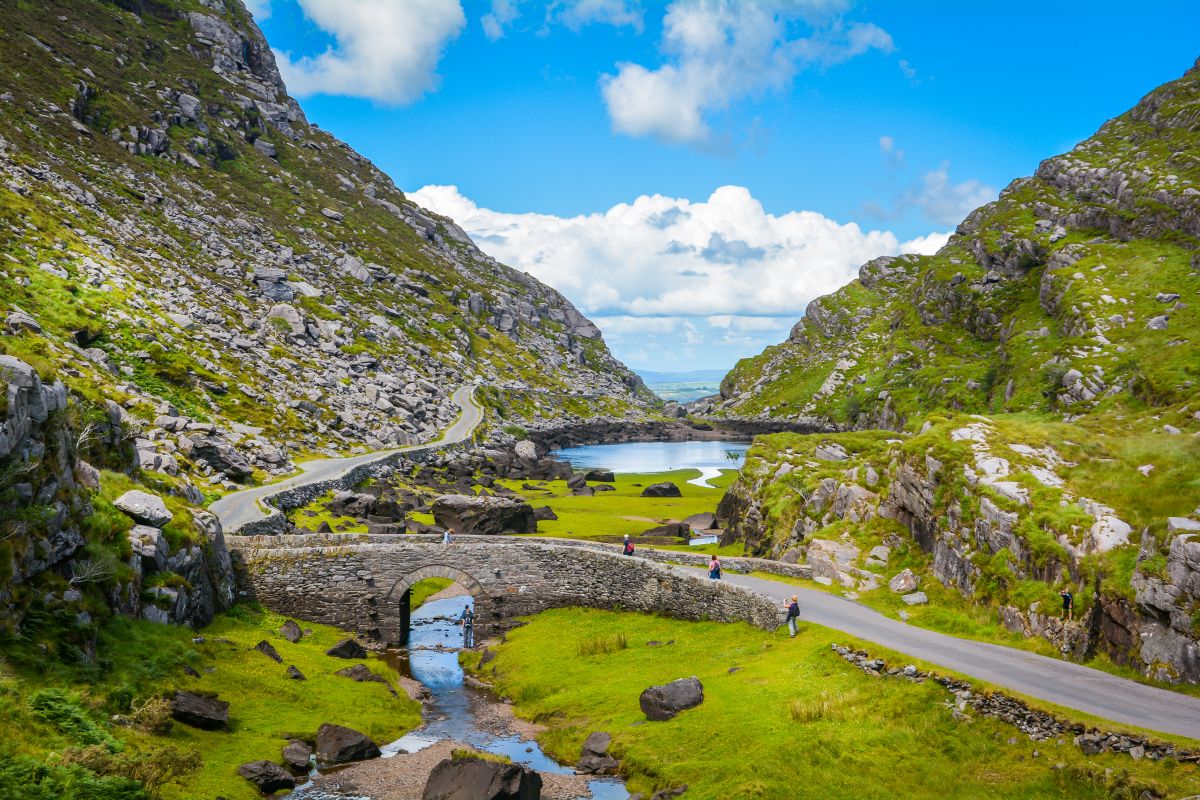
The townland remains primarily agricultural and rural in character, with land use dominated by farming and pastoral activities. Like much of the Dingle Peninsula and surrounding areas, the landscape supports grazing and traditional farming practices. The natural environment, with its Atlantic-influenced climate and terrain, has historically determined the types of agriculture and livelihoods sustainable in the area. Local stone walls and field boundaries are characteristic features visible throughout such townlands, representing centuries of land management and settlement patterns.
For the local community, Killognaveen North represents part of the living fabric of rural Kerry life. As a townland, it serves as an important unit of local identity and administration, connecting residents to their immediate geographic and social context. The continued habitation and use of such townlands demonstrates the enduring significance of these small rural communities in Irish society, even as broader economic and social changes have transformed the countryside over recent decades.
Source: AI generated
No photo added yet
- Paróiste
- Áit
-
Ainm Gaeilge
Cill Ó gCnáimhín Thuaidh
-
Barúntacht
Uíbh Ráthach
- Logainm
Taifid Oifig na Luachála
Ó Chartlann Náisiúnta na hÉireann (timpeall 1830idí–1850idí)
Taifeadadh 16 sealbhóir i Leabhair Oifig na Luachála don bhaile fearainn seo.
Foinse: Leabhair Oifig na Luachála, Cartlann Náisiúnta na hÉireann. Taifid phoiblí.
Gníomhartha Tapa
Faigh an Aip iOS
Cuardaigh ar an mbóthar
Suíomh an Bhaile Fearainn
OpenStreetMapSonraí
- Béarla
- Killognaveen North
- Gaeilge
- Cill Ó gCnáimhín Thuaidh
- Paróiste
- Cill Lonáin
- Barúntacht
- Uíbh Ráthach
- Áit
- Ciarraí