35
Taifid Daonáirimh
4
Teaghlaigh
2
Bliana Daonáirimh
- Daoine
- 19
- Teaghlaigh
- 2
- Daoine
- 16 -15.8%
- Teaghlaigh
- 2 0%
Maidir Liom
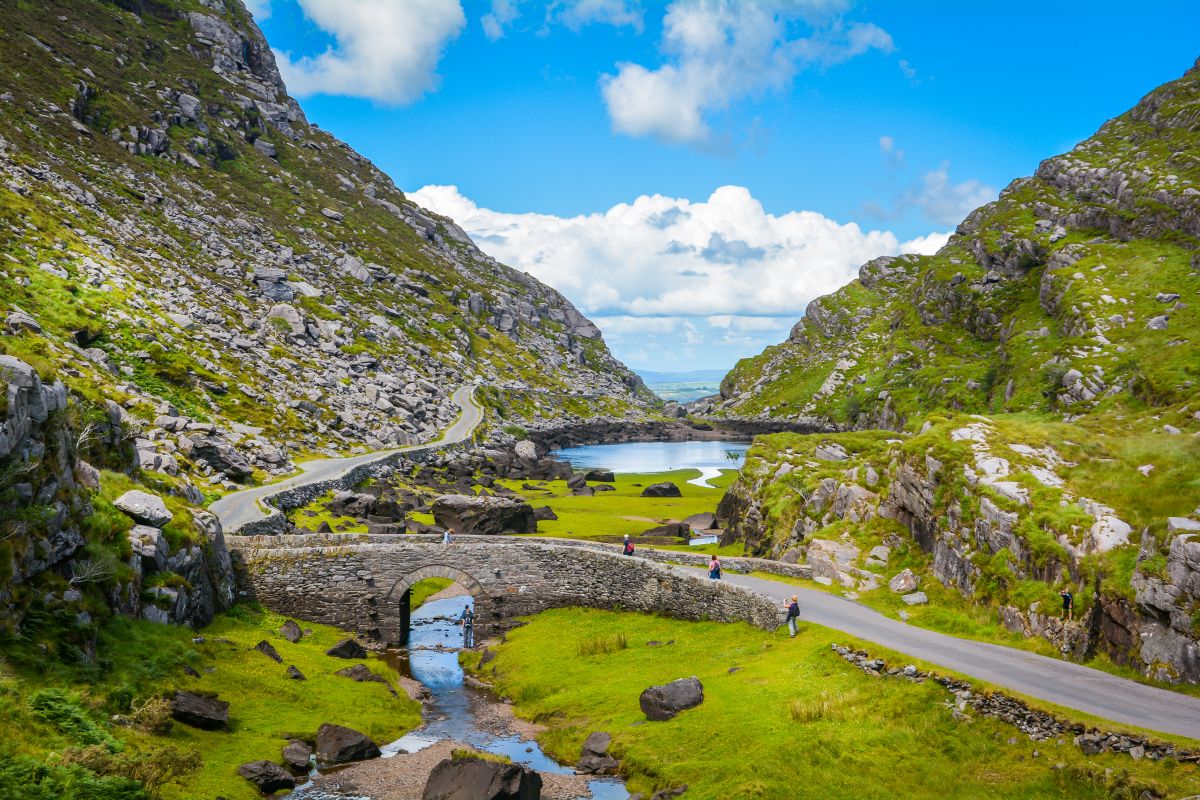
Farrannakilla is a small townland located in County Kerry in the southwest of Ireland, situated within the broader landscape of the Iveragh Peninsula. Like many Irish townlands, it is a rural area characterized by the rolling hills, moorland, and pastoral countryside typical of this region of County Kerry. The landscape reflects the Atlantic influence on Ireland's southwest, with weather patterns and vegetation shaped by proximity to the sea. The townland forms part of the intricate patchwork of small settlements and land divisions that define rural Kerry, where agriculture and traditional land use have long shaped both the physical environment and community life.
The history of Farrannakilla, as with many Irish townlands, is deeply rooted in patterns of land ownership and settlement that evolved over centuries. The townland system itself, which divides the Irish countryside into named parcels, has Anglo-Norman and medieval origins, though many names derive from earlier Irish Gaelic place-names. Farrannakilla's name likely reflects this Gaelic heritage, though detailed historical documentation specific to this particular townland is limited, as is often the case with smaller rural settlements whose histories are preserved primarily in land records, local memory, and oral tradition rather than in prominent historical texts.
Today, Farrannakilla remains a quiet rural townland, representative of the many small communities scattered throughout County Kerry that maintain connections to farming, forestry, and traditional land management. Like many Irish townlands, it serves as both a geographic designation and a marker of local identity, with significance that extends beyond administrative boundaries to encompass social and cultural connections within the wider Kerry community. The townland continues to be part of the living landscape of the region, where residents maintain ties to the land and to the particular character of their locality within the broader context of rural Irish life.
Source: AI generated
No photo added yet
- Paróiste
- Áit
-
Ainm Gaeilge
Fearann na Cille
-
Barúntacht
Corca Dhuibhne
- Logainm
Taifid Oifig na Luachála
Ó Chartlann Náisiúnta na hÉireann (timpeall 1830idí–1850idí)
Taifeadadh 400 sealbhóir i Leabhair Oifig na Luachála don bhaile fearainn seo.
Foinse: Leabhair Oifig na Luachála, Cartlann Náisiúnta na hÉireann. Taifid phoiblí.
Gníomhartha Tapa
Faigh an Aip iOS
Cuardaigh ar an mbóthar
Suíomh an Bhaile Fearainn
OpenStreetMapSonraí
- Béarla
- Farrannakilla
- Gaeilge
- Fearann na Cille
- Paróiste
- An Daingean
- Barúntacht
- Corca Dhuibhne
- Áit
- Ciarraí