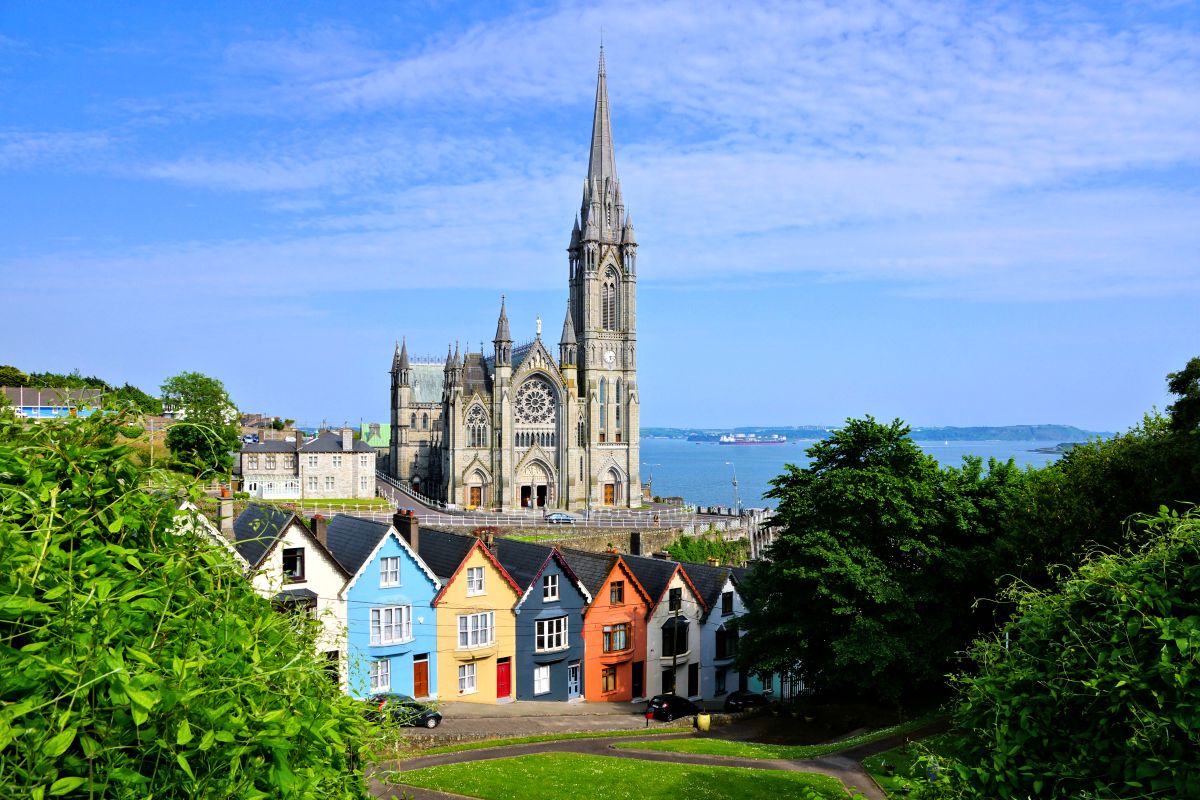
Maidir Liom
Egmont is a small townland situated in County Cork, in the southwestern region of Ireland. The townland forms part of the broader landscape of Cork's varied terrain, which encompasses both agricultural land and areas of natural beauty typical of the Munster region. Like many Irish townlands, Egmont represents one of the thousands of small geographical divisions that have shaped Irish settlement patterns and land administration for centuries. The area is characteristic of Cork's mix of rolling countryside and pastoral landscapes that define much of the county's rural character.
The townland system itself, of which Egmont is a part, has deep historical roots in Irish land organization, with origins tracing back through medieval and early modern periods. Townlands served as fundamental units of land measurement and administration, particularly important during various land surveys and property divisions throughout Irish history. These divisions reflected patterns of settlement, land use, and community organization that developed over generations. Understanding townlands like Egmont provides insight into how Irish rural communities were historically structured and how land was distributed and managed.
Egmont, as a townland in Cork, would have been subject to the various historical transformations that affected the broader region, including changes in land ownership, agricultural practices, and economic activity over recent centuries. The area's development would have been influenced by Cork's economic and social history, including its agricultural traditions and connections to broader Irish rural life. Today, Egmont remains part of Cork's fabric as a recognized townland within the county's administrative and geographic structure.
For local residents and those with family connections to the area, Egmont represents part of Cork's detailed tapestry of named places that ground community identity and historical continuity. Townlands serve important functions in Irish culture and local knowledge, providing precise geographic references that have meaning to inhabitants and descendants. Such places, though small and often quiet, contribute to the sense of place and belonging that characterizes rural Irish communities.
Source: AI generated
No photo added yet
- Paróiste
- Áit
-
Ainm Gaeilge
Baile Mhic Cua
-
Barúntacht
Dúiche Ealla
- Logainm
Taifid Oifig na Luachála
Ó Chartlann Náisiúnta na hÉireann (timpeall 1830idí–1850idí)
Taifeadadh 22 sealbhóir i Leabhair Oifig na Luachála don bhaile fearainn seo.
Foinse: Leabhair Oifig na Luachála, Cartlann Náisiúnta na hÉireann. Taifid phoiblí.
Gníomhartha Tapa
Faigh an Aip iOS
Cuardaigh ar an mbóthar
Suíomh an Bhaile Fearainn
OpenStreetMapSonraí
- Béarla
- Egmont
- Gaeilge
- Baile Mhic Cua
- Paróiste
- Baile an Teampaill
- Barúntacht
- Dúiche Ealla
- Áit
- Corcaigh