62
Taifid Daonáirimh
17
Teaghlaigh
1
Bliain Daonáirimh
- Daoine
- 62
- Teaghlaigh
- 17
Maidir Liom
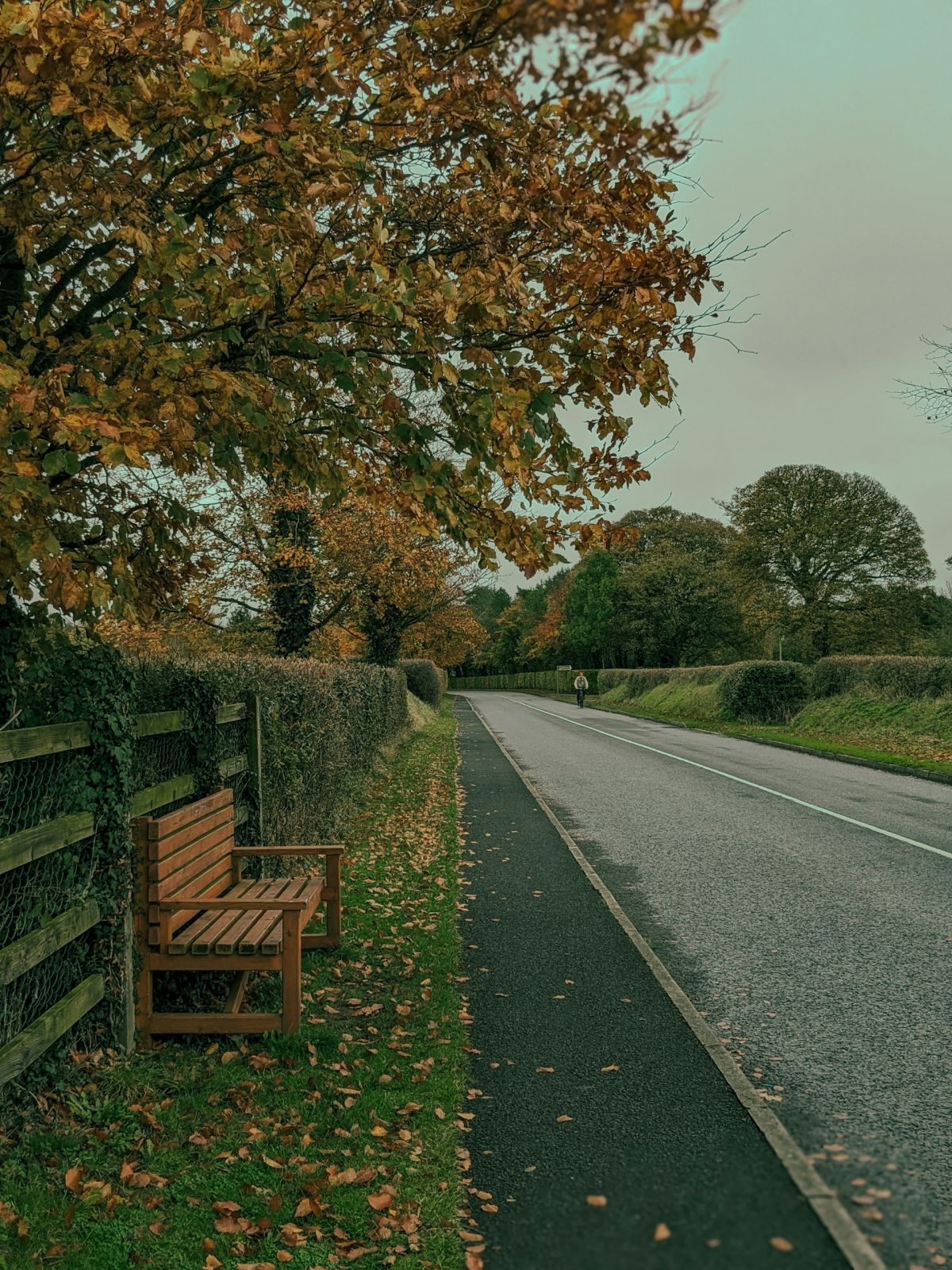
Drumhawan is a small townland located in County Monaghan in the Ulster region of northern Ireland. The townland lies within the broader landscape characteristic of County Monaghan, an area known for its drumlin topography—a distinctive rolling terrain created by glacial activity during the last ice age. The landscape of Drumhawan and its surroundings is marked by gentle hills, small lakes, and a patchwork of agricultural fields typical of the Irish midlands. The townland's name, like many in Ireland, derives from Irish language roots, with "Drum" referring to a ridge or hill formation, reflecting the local geography.
County Monaghan has a long history of human settlement and activity stretching back centuries. The region has been shaped by various historical periods, including early Christian monastic settlements, Norman influence, plantation-era changes, and the broader social and economic transformations of the modern era. Drumhawan, as part of this county, exists within this historical context, though detailed specific records of the townland itself may be limited in publicly available sources. Like many rural Irish townlands, it represents the local-level administrative and social organization that has characterized rural Ireland for centuries.
Drumhawan, like other townlands in County Monaghan, would have supported primarily agricultural activities, with farming families representing the core of the community. The townland's significance lies in its role as part of the rural social fabric of County Monaghan, contributing to the region's agricultural character and local heritage. Such townlands often contain scattered houses, farm buildings, and field systems that reflect generations of land use and settlement patterns, though they typically lack the concentrated settlement of villages or towns.
Today, Drumhawan remains a rural townland as part of County Monaghan's countryside. Like many rural areas in Ireland, it reflects the ongoing importance of agriculture and land stewardship to local identity and economy. The townland represents the enduring local-level geographic and social divisions that continue to structure rural Irish life and community identity.
Source: AI generated
No photo added yet
- Paróiste
- Áit
-
Ainm Gaeilge
Droim Thamhain
-
Barúntacht
Críoch Mhúrn
- Logainm
Taifid Oifig na Luachála
Ó Chartlann Náisiúnta na hÉireann (timpeall 1830idí–1850idí)
Taifeadadh 2 sealbhóir i Leabhair Oifig na Luachála don bhaile fearainn seo.
Foinse: Leabhair Oifig na Luachála, Cartlann Náisiúnta na hÉireann. Taifid phoiblí.
Gníomhartha Tapa
Faigh an Aip iOS
Cuardaigh ar an mbóthar
Suíomh an Bhaile Fearainn
OpenStreetMapSonraí
- Béarla
- Drumhawan
- Gaeilge
- Droim Thamhain
- Paróiste
- Béal Átha Beithe
- Barúntacht
- Críoch Mhúrn
- Áit
- Muineachán