320
Taifid Daonáirimh
55
Teaghlaigh
2
Bliana Daonáirimh
- Daoine
- 162
- Teaghlaigh
- 29
- Daoine
- 158 -2.5%
- Teaghlaigh
- 26 -10.3%
Maidir Liom
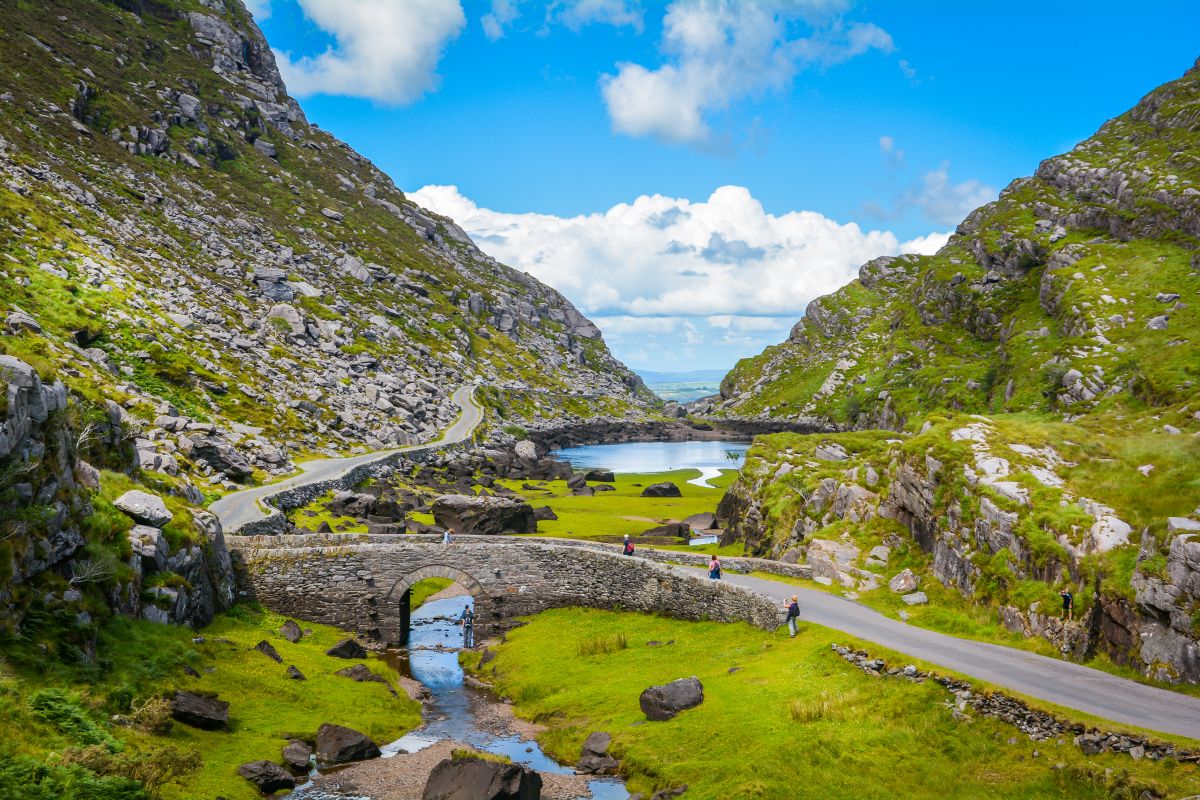
Dreenagh is a small townland located in County Kerry in southwestern Ireland, situated within the broader landscape of the Iveragh Peninsula. The townland forms part of the rugged and mountainous terrain characteristic of this region, which is known for its dramatic topography, coastal views, and natural beauty. Like many Irish townlands, Dreenagh represents a historical land division system that dates back centuries, with boundaries that often reflect medieval or earlier settlement patterns. The area is typical of Kerry's rural landscape, featuring rolling hills, stone walls, and agricultural land interspersed with areas of moorland and natural vegetation.
The history of Dreenagh, as with much of rural Kerry, is tied to the broader patterns of Irish settlement, land ownership, and social change. The townland system itself originated in medieval times and was formalized during the Tudor period and subsequent colonial administration. Dreenagh would have experienced the various upheavals that affected Kerry communities, including the Land Wars of the late 19th century and the economic and social transitions of the 20th century. Today it remains a living part of the rural Irish landscape, with residents maintaining connections to farming, forestry, or other rural occupations.
Dreenagh, though small and not widely known beyond local circles, represents the intricate patchwork of named places that give the Irish countryside its distinctive character. The townland contributes to the cultural and geographic identity of its surrounding district and serves as an anchor point for local history and community memory. For residents and visitors interested in Irish place-names and rural heritage, townlands like Dreenagh offer insight into how Ireland's landscape has been organized, inhabited, and understood across generations. The continued existence of such places reflects both the persistence of traditional Irish settlement patterns and the ongoing importance of rural communities in Irish society.
Source: AI generated
No photo added yet
- Paróiste
- Áit
-
Ainm Gaeilge
Draighneach
-
Barúntacht
Clann Mhuiris
- Logainm
Gníomhartha Tapa
Faigh an Aip iOS
Cuardaigh ar an mbóthar
Suíomh an Bhaile Fearainn
OpenStreetMapSonraí
- Béarla
- Dreenagh
- Gaeilge
- Draighneach
- Paróiste
- Baile Uí Thaidhg
- Barúntacht
- Clann Mhuiris
- Áit
- Ciarraí