15
Taifid Daonáirimh
2
Teaghlaigh
2
Bliana Daonáirimh
- Daoine
- 6
- Teaghlaigh
- 1
- Daoine
- 9 +50%
- Teaghlaigh
- 1 0%
Maidir Liom
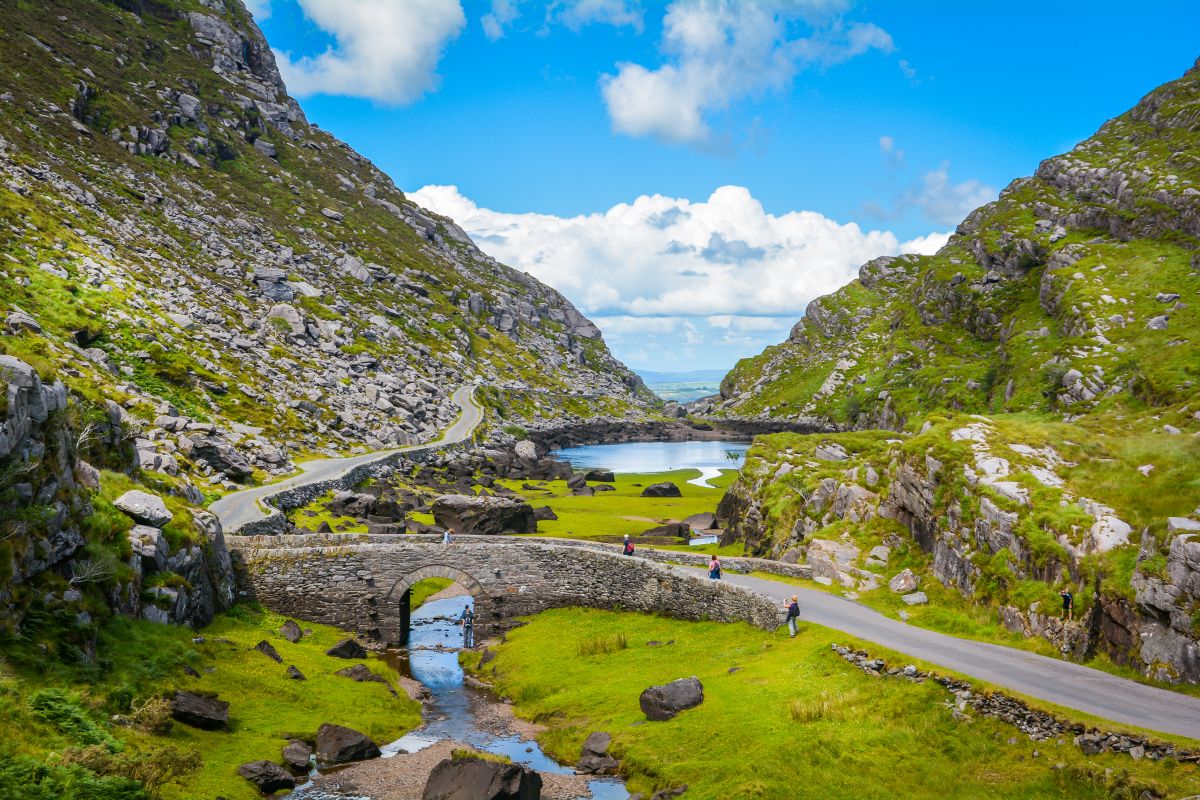
Coomduff is a small townland located in County Kerry in the southwestern region of Ireland. The townland sits within the broader landscape of the Dingle Peninsula area, characterized by rolling hills, bogland, and moorland typical of this part of Kerry. The terrain is undulating and often rugged, reflecting the geological history of the region. Like many townlands in this area, Coomduff forms part of a patchwork of small rural settlements that have shaped the human geography of the peninsula for centuries.
The history of Coomduff, like many Irish townlands, is deeply connected to the patterns of settlement, land division, and social organization that developed over centuries. Townlands in Kerry have their origins in both pre-Norman Irish territorial systems and subsequent English administrative divisions, creating a complex historical layer. Coomduff would have been subject to the various changes in land tenure, ownership, and use that characterized rural Kerry through the medieval period and into modern times.
Today, Coomduff remains a quiet rural townland typical of the Dingle Peninsula's dispersed settlement pattern. The area is sparsely populated, with houses and farmsteads scattered across the landscape rather than concentrated in a village center. This reflects the agricultural heritage of the region, where farming and small-scale pastoral activities have long been the primary economic activities. The landscape itself, with its stone walls, green fields, and moorland, continues to bear the marks of this rural heritage and forms part of the distinctive character of the Dingle Peninsula.
Coomduff, like many small townlands in Ireland, represents an important unit of local geography and community identity. These named territorial divisions, though they may lack obvious modern infrastructure or institutions, carry historical significance and remain part of how people understand and describe their local landscape and heritage. For residents and those connected to the area, such townlands maintain cultural and social importance as markers of belonging and place within the broader Irish rural landscape.
Source: AI generated
No photo added yet
- Paróiste
- Áit
-
Ainm Gaeilge
An Com Dubh
-
Barúntacht
Uíbh Ráthach
- Logainm
Taifid Oifig na Luachála
Ó Chartlann Náisiúnta na hÉireann (timpeall 1830idí–1850idí)
Taifeadadh 3 sealbhóir i Leabhair Oifig na Luachála don bhaile fearainn seo.
Foinse: Leabhair Oifig na Luachála, Cartlann Náisiúnta na hÉireann. Taifid phoiblí.
Gníomhartha Tapa
Faigh an Aip iOS
Cuardaigh ar an mbóthar
Suíomh an Bhaile Fearainn
OpenStreetMapSonraí
- Béarla
- Coomduff
- Gaeilge
- An Com Dubh
- Paróiste
- Cill Lonáin
- Barúntacht
- Uíbh Ráthach
- Áit
- Ciarraí