Maidir Liom
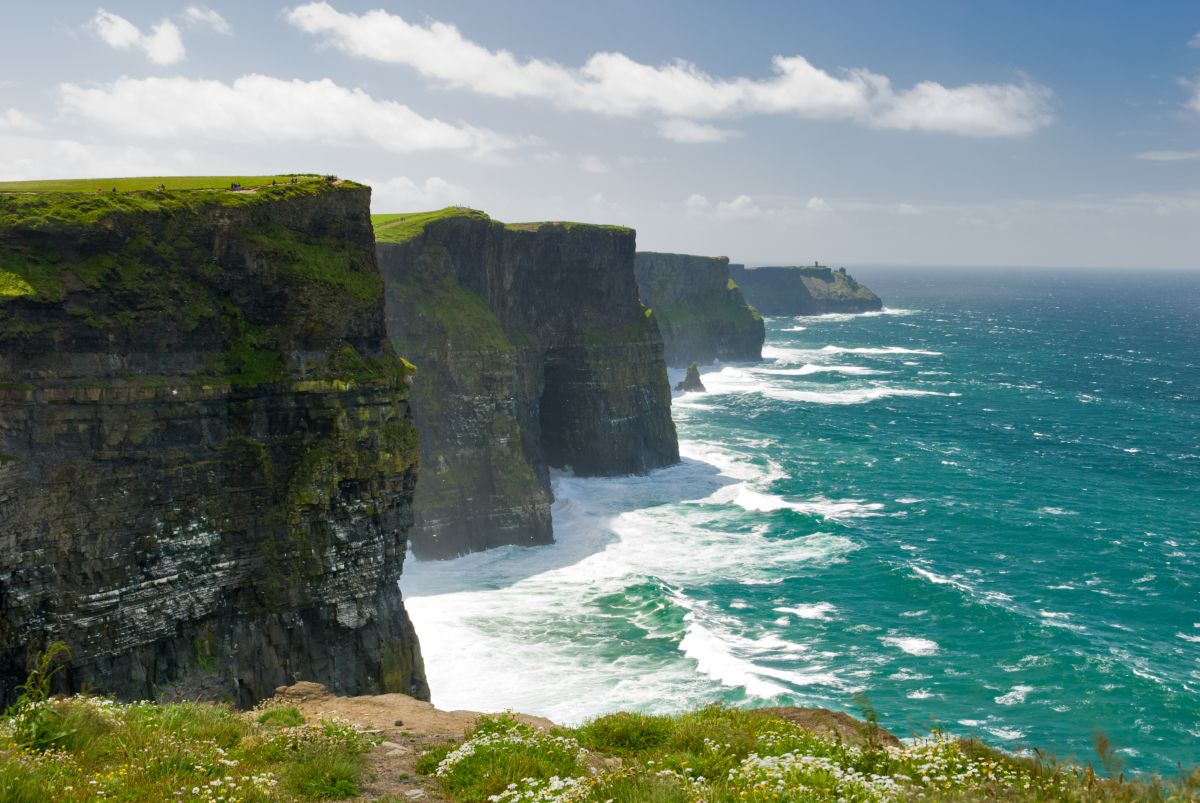
Cooga is a small townland located in County Clare in the west of Ireland, situated in the landscape typical of this region with its rolling hills, stone walls, and rural character. The area is part of the broader Clare countryside, which is known for its varied terrain ranging from fertile agricultural land to more rugged terrain. Like many Irish townlands, Cooga represents a historic division of land that reflects centuries of settlement patterns and property organization. The townland system itself dates back to medieval times and represents one of the most detailed geographic subdivisions of land found anywhere in Europe.
The history of Cooga, as with much of County Clare, reflects the broader patterns of Irish settlement, land tenure, and social change. The Clare region has been inhabited for centuries, with evidence of settlement patterns established over generations. Townlands like Cooga were shaped by historical factors including the Anglo-Norman invasion, the plantation period, the Penal Laws, and later land reforms. These historical forces influenced how land was distributed, who held property rights, and how communities were organized across the landscape.
As a rural townland in County Clare, Cooga forms part of the cultural and economic fabric of its local area. Like many small Irish townlands, it likely contains a mix of residential properties, agricultural land, and natural features. The community significance of such townlands extends beyond their practical function as land divisions, as they often represent local identity, historical memory, and connections to family heritage. The townland names themselves frequently derive from Irish language origins, carrying linguistic and cultural meaning that connects residents to Ireland's Gaelic past.
Today, Cooga remains part of the living landscape of County Clare, contributing to the character of rural Ireland. While many Irish townlands have experienced changes due to modernization and demographic shifts, they continue to serve important functions in local governance, property identification, and cultural continuity. For residents and those with family connections to the area, townlands like Cooga maintain significance as markers of place and belonging within Irish communities.
Source: AI generated
No photo added yet
- Paróiste
- Áit
-
Ainm Gaeilge
An Cúige
-
Barúntacht
Cluain idir Dhá Lá
- Logainm
Taifid Oifig na Luachála
Ó Chartlann Náisiúnta na hÉireann (timpeall 1830idí–1850idí)
Taifeadadh 14 sealbhóir i Leabhair Oifig na Luachála don bhaile fearainn seo.
Foinse: Leabhair Oifig na Luachála, Cartlann Náisiúnta na hÉireann. Taifid phoiblí.
Gníomhartha Tapa
Faigh an Aip iOS
Cuardaigh ar an mbóthar
Suíomh an Bhaile Fearainn
OpenStreetMapSonraí
- Béarla
- Cooga
- Gaeilge
- An Cúige
- Paróiste
- Cill an Dísirt
- Barúntacht
- Cluain idir Dhá Lá
- Áit
- An Clár