42
Taifid Daonáirimh
11
Teaghlaigh
1
Bliain Daonáirimh
- Daoine
- 42
- Teaghlaigh
- 11
Maidir Liom
Cavan, located in County Monaghan in the Ulster region of northern Ireland, is a small townland situated in the northeastern part of the island. The area is characterized by the gently rolling landscape typical of the border counties, with mixed agricultural land, small woodlands, and the network of rural roads that connect the scattered settlements of this part of Monaghan. The townland sits within the broader geographical context of the Monaghan plateau, an area known for its drumlin terrain—the distinctive oval-shaped hills formed by glacial activity during the last ice age. The proximity to the border with County Cavan to the west and the general accessibility to larger regional centers has historically shaped settlement patterns and economic activity in the area.
The wider region around Cavan townland has a long history of settlement and land use extending back through medieval times and into the prehistoric period. Like much of Ulster, the area was significantly shaped by the plantation policies of the sixteenth and seventeenth centuries, which brought English and Scottish settlers to Ireland and restructured the existing Gaelic lordships. The townland system itself, which divides the Irish countryside into small administrative units, reflects the English administrative imposition on the landscape, though many townland names retain their Irish or Old English origins. As a rural townland in Monaghan, Cavan would have developed as part of the agrarian economy that dominated the region for centuries.
Today, Cavan townland remains part of the rural fabric of County Monaghan, representing the dispersed settlement pattern characteristic of the Irish countryside. The community's significance lies in its connection to the broader local heritage and landscape, as well as its role in the agricultural and social networks of the wider parish and county. Like many such townlands, it serves as a geographical and administrative marker with meaning for local residents and those researching Irish history and genealogy. The area continues to reflect the quiet, pastoral character typical of rural Monaghan, though modern changes in farming practices and rural demographics have inevitably transformed life in such localities over recent generations.
Source: AI generated

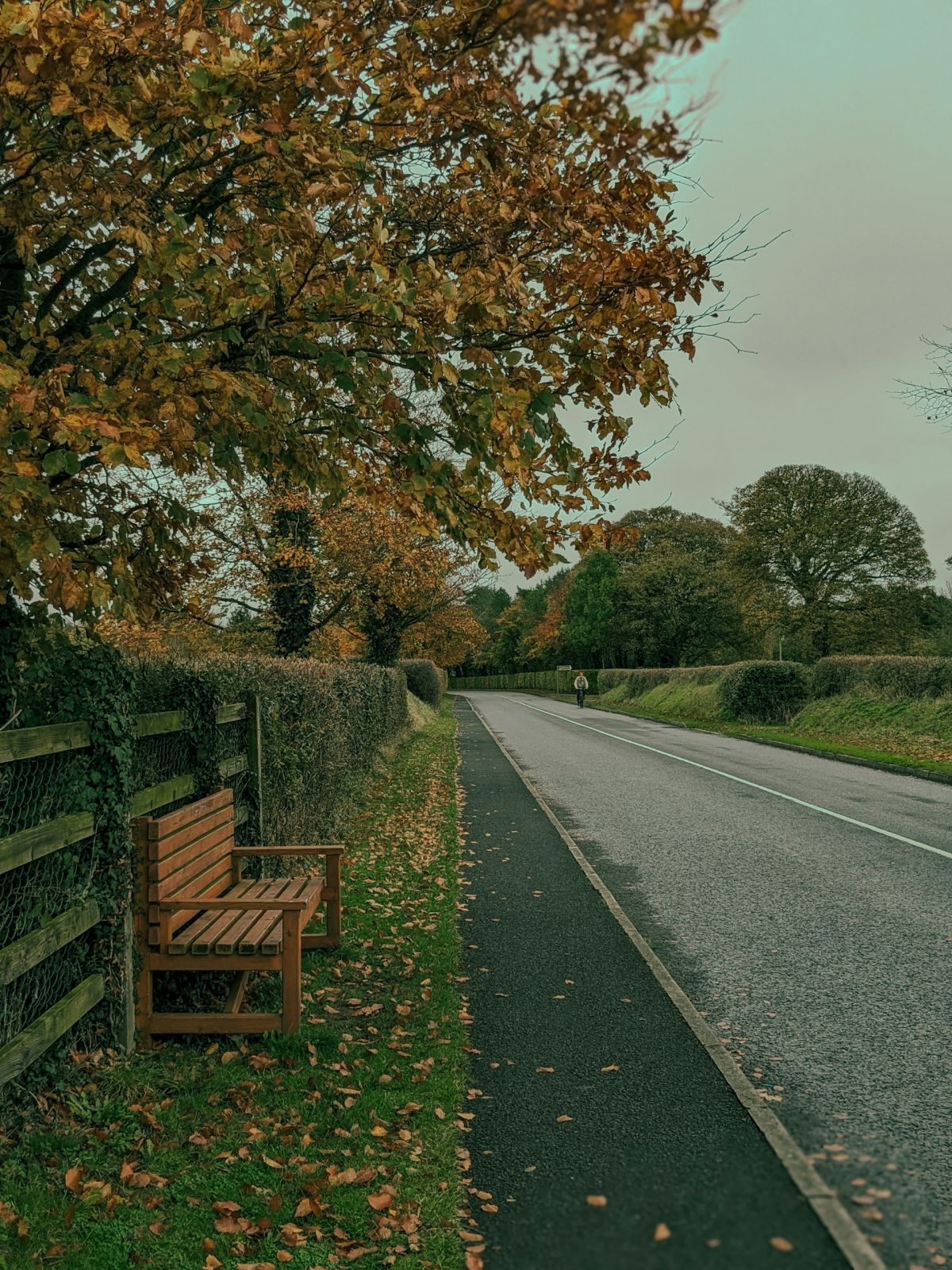
Photo by Melissa De Yoe on Unsplash
- Paróiste
- Áit
-
Ainm Gaeilge
An Cabhán (Moutray)
-
Barúntacht
An Triúcha
- Logainm
Gníomhartha Tapa
Faigh an Aip iOS
Cuardaigh ar an mbóthar
Suíomh an Bhaile Fearainn
OpenStreetMapSonraí
- Béarla
- Cavan (Moutray)
- Gaeilge
- An Cabhán (Moutray)
- Paróiste
- Aireagal
- Barúntacht
- An Triúcha
- Áit
- Muineachán