87
Taifid Daonáirimh
18
Teaghlaigh
2
Bliana Daonáirimh
- Daoine
- 16
- Teaghlaigh
- 4
- Daoine
- 71 +343.8%
- Teaghlaigh
- 14 +250%
Maidir Liom
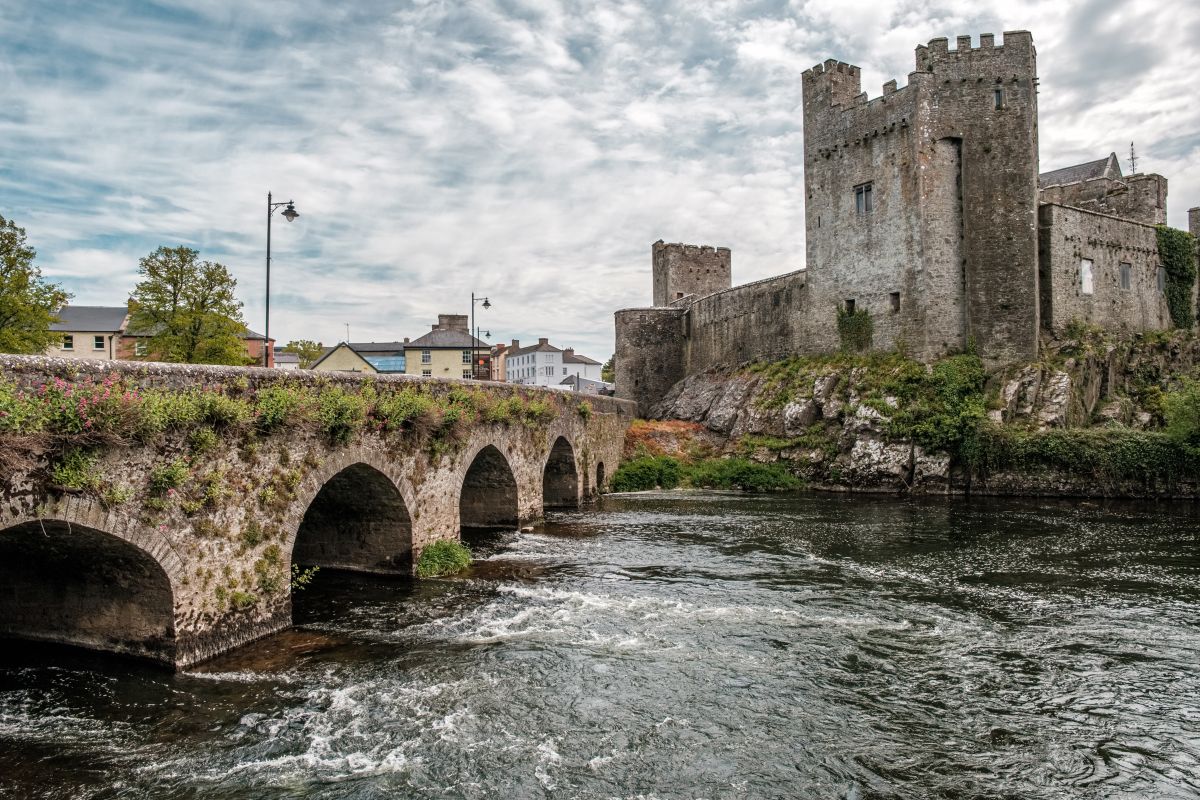
Bannagh Beg is a small townland located in County Fermanagh in Northern Ireland, situated within the broader landscape of the region's characteristic drumlin terrain and water features. The townland forms part of the intricate patchwork of rural settlements that characterize this part of Ulster, an area known for its rolling hills, numerous lakes, and agricultural heritage. Like many townlands in Fermanagh, Bannagh Beg reflects the historical division of land into smaller administrative and geographical units that have shaped Irish settlement patterns for centuries.
The townland's name derives from Irish, with "Bannagh" potentially relating to historical territorial or geographical designations common to the region. The area reflects the typical landscape of south Ulster, where mixed farming has traditionally dominated economic activity. The townland system itself represents an important aspect of Irish administrative history, with these divisions often corresponding to medieval land grants and clan territories that predate modern county boundaries.
As a rural townland, Bannagh Beg would have been shaped by the broader historical forces affecting Fermanagh, including the Tudor plantations, the subsequent settlement patterns of the seventeenth century, and the long-term development of agricultural communities in Ulster. Like many townlands in the county, it would have supported farming families whose fortunes were tied to land tenure, agricultural cycles, and the economic structures of rural Ireland through various historical periods.
Today, Bannagh Beg remains part of the living geography of County Fermanagh, contributing to the county's rural character and heritage. The townland represents the persistence of traditional Irish administrative divisions and settlement patterns, which continue to hold significance for local communities, genealogical research, and the cultural understanding of the Irish landscape, even as rural life has undergone substantial transformation in recent decades.
Source: AI generated
No photo added yet
- Paróiste
- Áit
-
Barúntacht
Lorg
- Logainm
Gníomhartha Tapa
Faigh an Aip iOS
Cuardaigh ar an mbóthar
Suíomh an Bhaile Fearainn
OpenStreetMapSonraí
- Béarla
- Bannagh Beg
- Paróiste
- Drumkeeran
- Barúntacht
- Lorg
- Áit
- Fear Manach