67
Paróistí
2,272
Bailte Fearainn
198,434
Taifid Daonáirimh
41,066
Teaghlaigh
2
Bliana Daonáirimh
- Daoine
- 102,851
- Teaghlaigh
- 20,926
- Daoine
- 95,583 -7.1%
- Teaghlaigh
- 20,140 -3.8%
Maidir Liom
Roscommon is a county located in the midlands of Ireland, situated in the province of Connacht. It is bordered by counties Galway, Leitrim, Longford, Westmeath, and Offaly, and lies inland without direct access to the coast. The landscape is characterized by rolling plains, boglands, and numerous lakes, with the Shannon River forming part of its eastern boundary. The terrain reflects the broader geography of Ireland's interior, with significant portions dedicated to agriculture and peatland, and the county seat of Roscommon town serves as its administrative center.
The county has a rich and complex history dating back centuries. Roscommon was historically the territory of the O'Connor clan, who held substantial power in the region during the medieval period. The construction of Roscommon Castle in the 13th century by the Norman family stands as a significant landmark from this era. The county experienced the upheavals common to Irish history, including the effects of English conquest, the Great Famine in the 1840s, and later independence movements. These historical layers have shaped the cultural identity and heritage of the region.
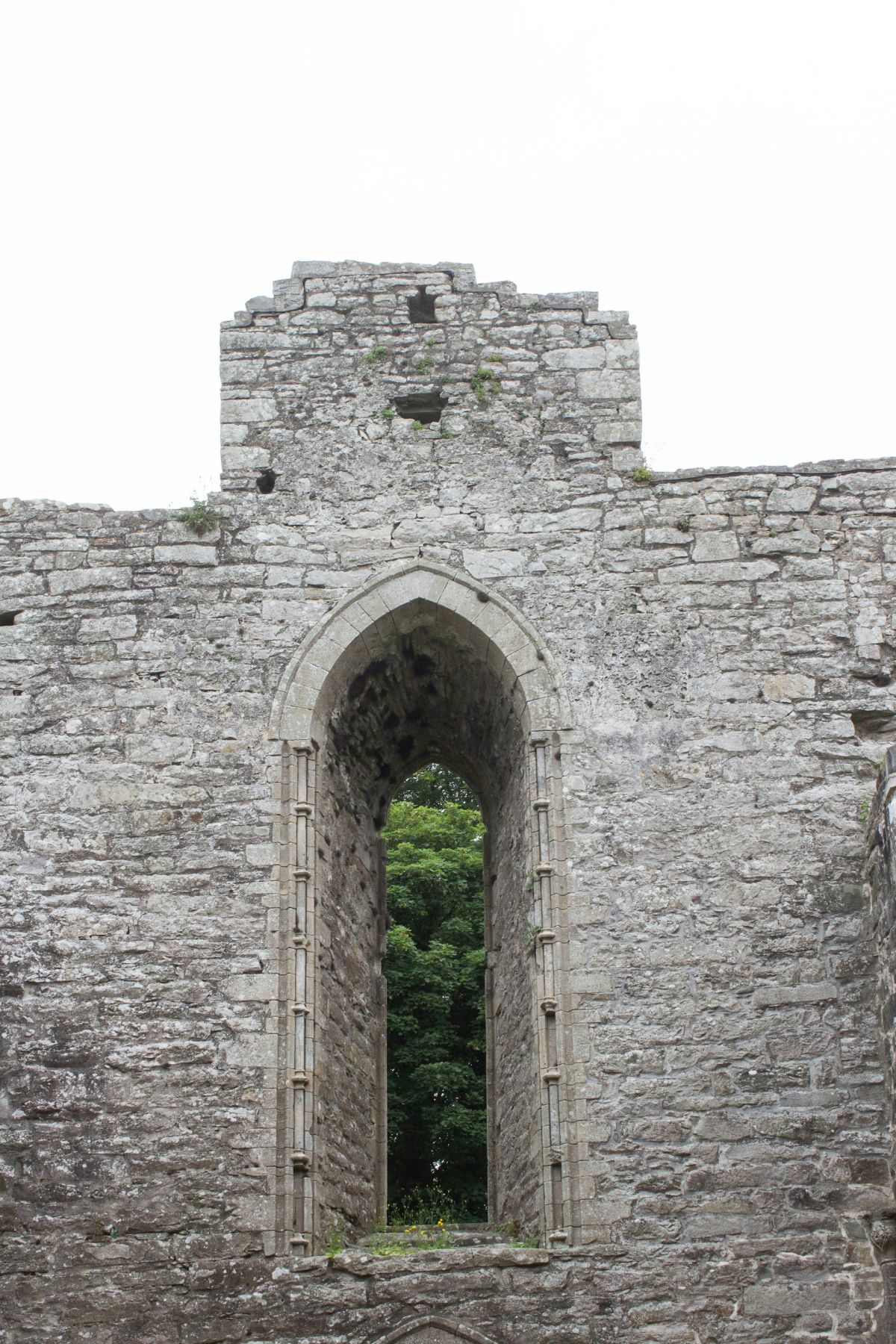
Notable features of Roscommon include its castles, monastic sites, and natural attractions. Beyond Roscommon Castle, the county contains several other historic structures and archaeological sites reflecting its medieval and religious heritage. The lakes and waterways, including Lough Key, are important for both recreation and ecology. The county's boglands, while economically significant historically, represent distinctive Irish ecosystems. These features collectively make Roscommon an area of cultural and environmental interest within the Irish midlands.
For its local communities, Roscommon represents a primarily rural county where agricultural traditions remain important to the local economy and way of life. Like many inland Irish counties, Roscommon has faced challenges including population decline and economic pressures, though tourism related to its historical and natural features provides some economic opportunity. The county maintains cultural traditions and a strong sense of community identity, with local heritage and history remaining central to how residents understand and value their region.
Source: AI generated

Photo by County hero image on Unsplash
-
Dlínse
Poblacht na hÉireann
-
Ainm Gaeilge
Ros Comáin
-
Bliana Daonáirimh
1901, 1911
-
Ceantair
129 ceantar daonáirimh
- Logainm
Annals of the Four Masters
Historical references from O'Donovan's edition (1848–51)
The Annals of the Four Masters record Roscommon (Irish: Ros-Chomain) in 104 entries between AD 717 and AD 3730.
Early Christian
Viking & Pre-Norman
Medieval
Early Modern
Historical Events
- Roscommon plundered, 1135.
Ecclesiastical & Political Records
- • Roscommon, abbots of, 774, 777, 788, 795, 828, 914,
- • Roscommon, abbot and bishop of, 813.
- • Roscommon, lectors of, 1043, 1135.
- • Roscommon, priest of, 1155.
- • Roscommon, comharbas, or successors of Coman of,
Source: Annals of the Kingdom of Ireland by the Four Masters, ed. John O'Donovan (1848–51). Public domain.
Luacháil Griffith
Cartlann Náisiúnta na hÉireann (timpeall 1830idí-1850idí)
Taifeadadh 4,305 sealbhóir i Luacháil Griffith ar fud 385 baile fearainn (1830idí-1850idí).
Príomhshloinnte
Foinse: Leabhair Oifig na Luachála, Cartlann Náisiúnta na hÉireann. Taifid phoiblí.
Gníomhartha Tapa
Faigh an Aip iOS
Cuardaigh ar an mbóthar
Teorainn an Áit
OpenStreetMapSonraí
- Béarla
- Roscommon
- Gaeilge
- Ros Comáin
- Dlínse
- Poblacht na hÉireann