123
Paróistí
1,378
Bailte Fearainn
966,017
Taifid Daonáirimh
185,898
Teaghlaigh
3
Bliana Daonáirimh
- Daoine
- 18
- Teaghlaigh
- 3
- Daoine
- 472,494 +2624866.7%
- Teaghlaigh
- 88,338 +2944500%
- Daoine
- 493,505 +4.4%
- Teaghlaigh
- 97,557 +10.4%
Maidir Liom
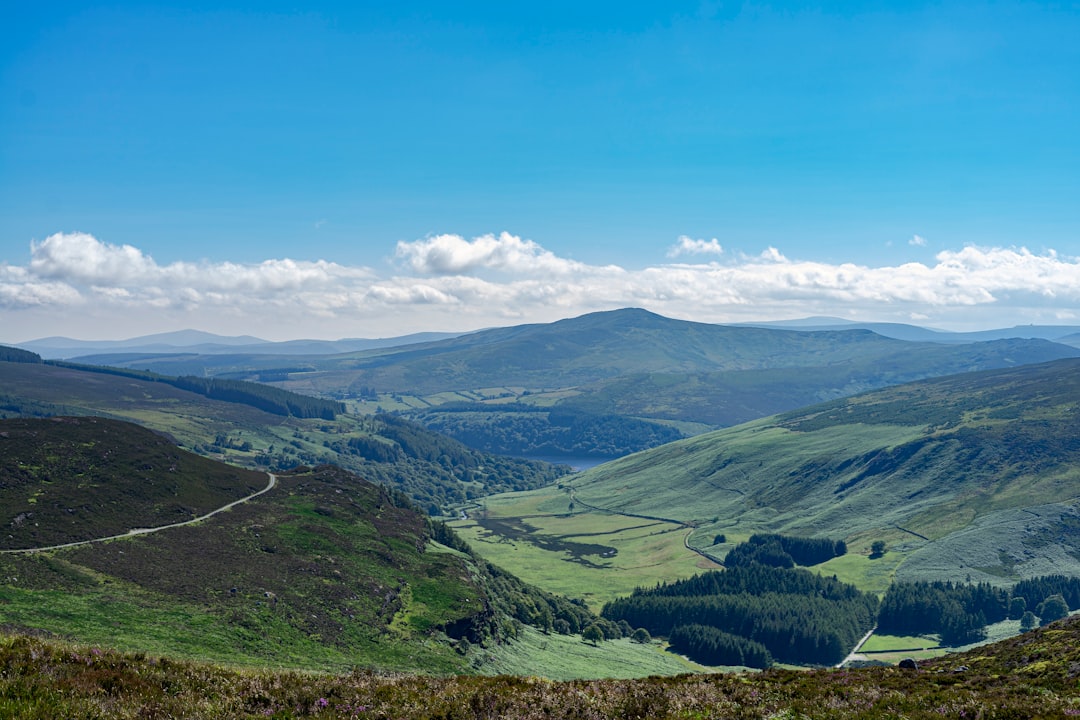
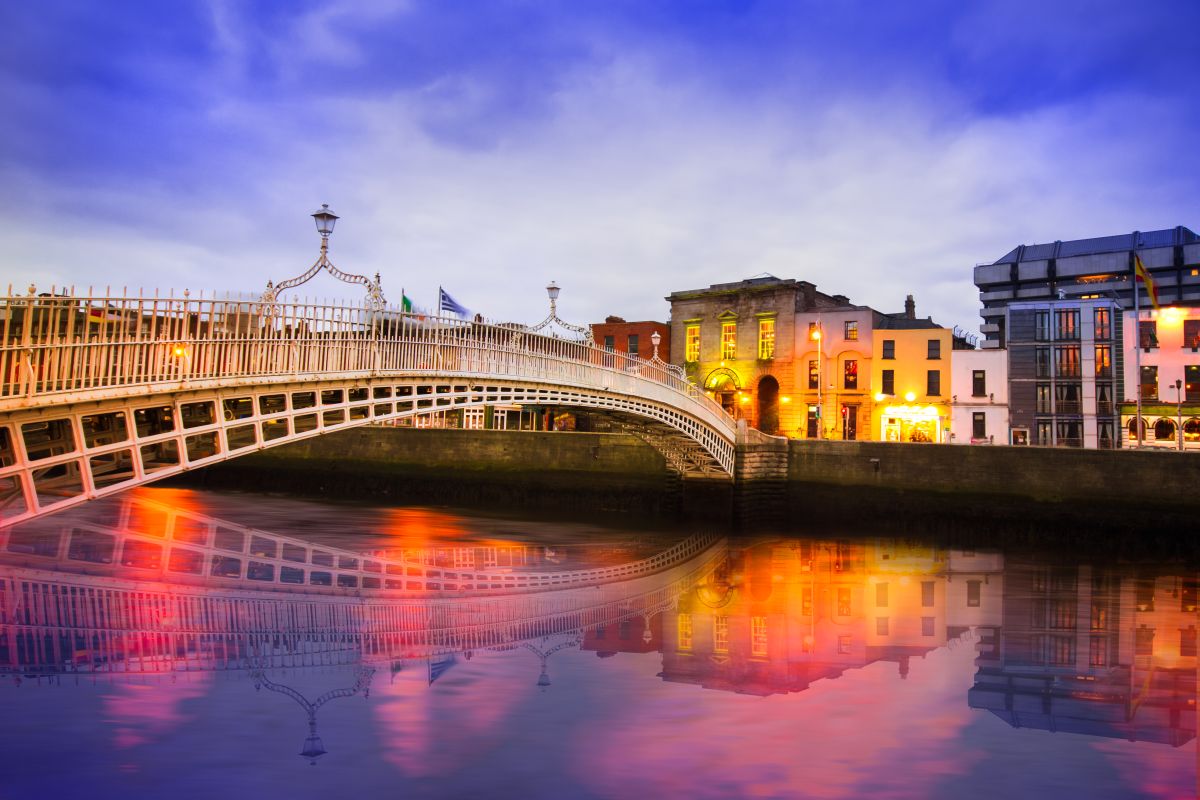
Dublin is located on the east coast of Ireland, positioned at the mouth of the River Liffey where it meets the Irish Sea. The county occupies a relatively compact area in the province of Leinster and forms part of the Greater Dublin Area, which serves as the country's largest metropolitan region. The landscape is generally low-lying and gently rolling, with the Dublin and Wicklow Mountains visible to the south. The city center sits on relatively flat terrain that facilitated its historical development as a port and trading hub, while the coastal areas include both urban developments and stretches of beach and farmland.
Dublin has a rich historical record stretching back over a thousand years. The city was established as a Viking settlement in the 9th century and developed into one of medieval Europe's important ports. Following the Norman invasion of Ireland in the 12th century, Dublin became the seat of English (later British) administrative power on the island. The Georgian period left a significant architectural legacy, with many of the city's most recognizable streets and squares dating from the 18th century. The 1916 Easter Rising, a pivotal event in Irish independence, took place primarily in Dublin's city center and remains central to Irish national identity.
Today, Dublin is Ireland's capital and largest city, serving as the nation's economic, political, and cultural center. The county is home to Trinity College Dublin, one of Europe's oldest universities, and hosts numerous museums, theaters, and literary institutions. The presence of major multinational corporations and technology companies has made it a significant global business hub. The city's literary heritage is particularly notable, with connections to writers such as James Joyce, Samuel Beckett, and Oscar Wilde, drawing cultural interest from around the world.
For local residents and the broader Irish community, Dublin represents both opportunity and ongoing challenges. The rapid economic growth of recent decades has made it an attractive destination for work and education, though this has contributed to housing shortages and increased living costs. The city remains deeply important to Irish identity and continues to serve as a focal point for national events, celebrations, and commemorations. Its role as Ireland's gateway to international travel and commerce ensures its continued significance to the economic and social life of the country.
Source: AI generated
-
Dlínse
Poblacht na hÉireann
-
Ainm Gaeilge
Baile Átha Cliath
-
Bliana Daonáirimh
1821, 1901, 1911
-
Ceantair
97 ceantar daonáirimh
- Logainm
Annals of the Four Masters
Historical references from O'Donovan's edition (1848–51)
The Annals of the Four Masters record Dublin (Irish: Dublin) in 15 entries between AD 965 and AD 1166.
Viking & Pre-Norman
Historical Events
- Dublin burned, 1020, 1069, 1130, 1138, 1150,
- Dublin plundered, 1035.
Ecclesiastical & Political Records
- • Dublin, airchinneachs of, 1028, 1048, 1060,
- • Dublin, bishops of, 965, 1023.
- • Dublin, lector of, 1042.
Source: Annals of the Kingdom of Ireland by the Four Masters, ed. John O'Donovan (1848–51). Public domain.
Luacháil Griffith
Cartlann Náisiúnta na hÉireann (timpeall 1830idí-1850idí)
Taifeadadh 45,212 sealbhóir i Luacháil Griffith ar fud 742 baile fearainn (1830idí-1850idí).
Príomhshloinnte
Foinse: Leabhair Oifig na Luachála, Cartlann Náisiúnta na hÉireann. Taifid phoiblí.
Gníomhartha Tapa
Faigh an Aip iOS
Cuardaigh ar an mbóthar
Teorainn an Áit
OpenStreetMapSonraí
- Béarla
- Dublin
- Gaeilge
- Baile Átha Cliath
- Dlínse
- Poblacht na hÉireann