À propos
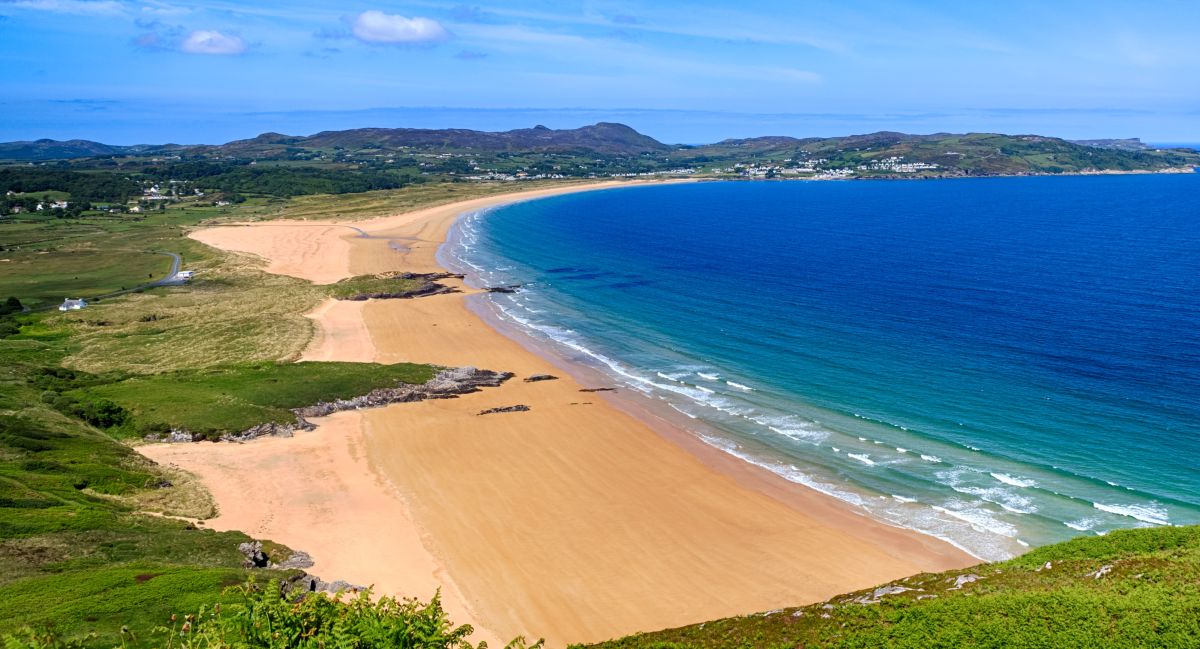
Milltown is a small townland located in County Donegal in the northwest of Ireland, situated within the broader landscape of the county's rural areas. The region is characterized by the rolling hills, moorlands, and valleys typical of much of Donegal, with proximity to both the Atlantic coast and inland waterways that have historically shaped settlement patterns in the area. Like many Donegal townlands, Milltown is relatively modest in size and population, reflecting the dispersed rural settlement patterns common throughout this part of Ulster. The landscape around Milltown would typically feature fields divided by stone walls or hedgerows, interspersed with small farms and scattered houses characteristic of the Irish countryside.
The history of Milltown, like many Irish townlands, is deeply rooted in the patterns of rural settlement, land use, and the broader historical trajectory of Donegal. The townland name itself, as is common in Ireland, likely derives from a local feature or historical land use—in this case possibly relating to a mill that once operated in the area. The townland system itself dates back to medieval times and represents one of the oldest divisions of Irish land, predating modern parish and county boundaries. Understanding Milltown's past requires placing it within the context of Donegal's history, including periods of Gaelic lordship, plantation, famine, and emigration that profoundly affected rural communities across the county.
Milltown remains significant as part of the living rural fabric of Donegal, where townlands continue to serve as fundamental units of local identity and land organization. For residents and descendants of the area, the townland name carries cultural and genealogical importance, particularly for those researching family history or maintaining connections to ancestral homes. The wider Donegal region, including townlands like Milltown, represents an important part of Irish heritage and continues to attract interest from those exploring Irish roots and rural heritage. While small and quiet, such townlands are integral to understanding the social geography and community structures that define rural Ireland.
Source: AI generated
No photo added yet
- Paroisse
- Comté
-
Baronnie
Raphoe North
- Logainm
Valuation Office Records
From the National Archives of Ireland (c. 1830s–1850s)
2 occupiers recorded in the Valuation Office Books for this townland.
Source: Valuation Office Books, National Archives of Ireland. Public records.
Actions rapides
Obtenir l'application iOS
Recherchez en déplacement