37
Paroisses
3,872
Localités
142,823
Registres de recensement
30,566
Foyers
3
Années de recensement
- Personnes
- 13,106
- Foyers
- 2,128
- Personnes
- 66,154 +404.8%
- Foyers
- 14,384 +575.9%
- Personnes
- 63,563 -3.9%
- Foyers
- 14,054 -2.3%
À propos
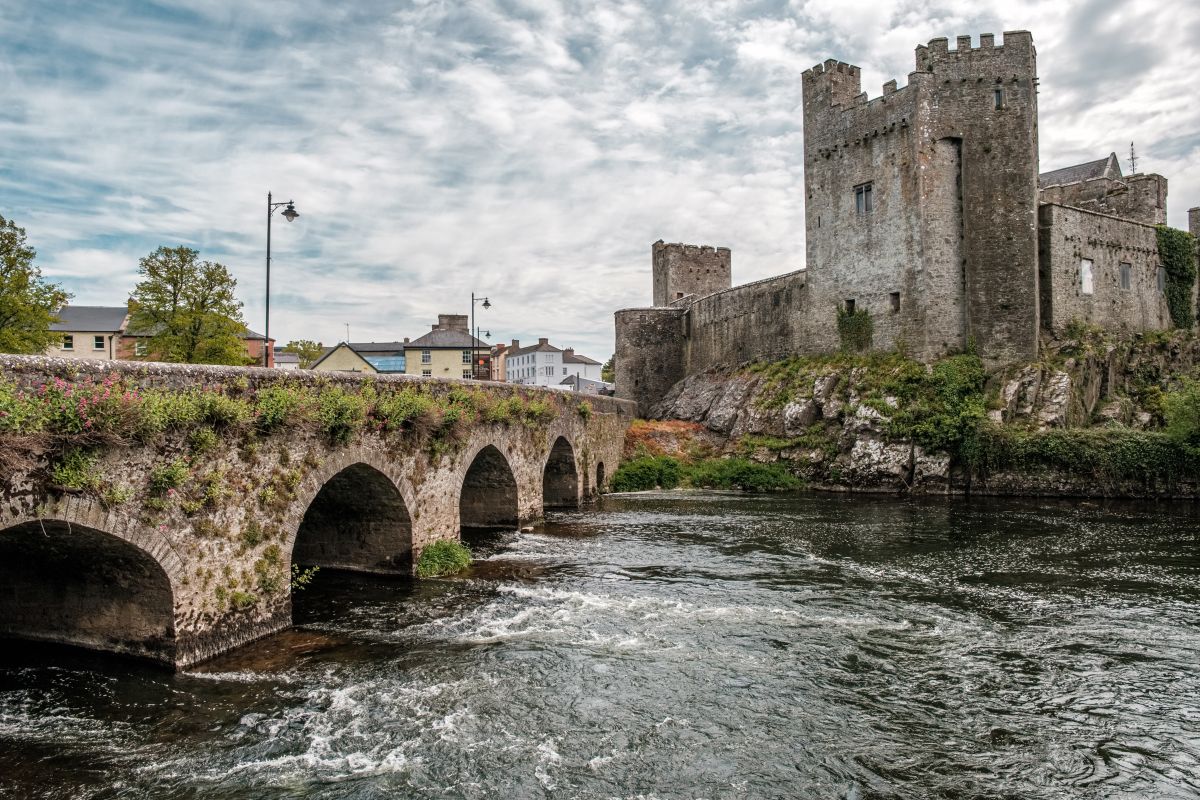
Fermanagh is a county located in the southwest of Northern Ireland, bordering County Tyrone to the east and County Leitrim and County Cavan in the Republic of Ireland to the south and west. The county is defined significantly by water, with the River Erne winding through its landscape and expanding into Upper and Lower Lough Erne, two substantial freshwater lakes that dominate much of the terrain. The surrounding countryside is characterized by rolling hills, fertile agricultural land, and dense forests, making it one of Northern Ireland's most naturally scenic regions. Enniskillen, situated between the two loughs, serves as the county town and administrative center.
The history of Fermanagh stretches back centuries, with evidence of settlement dating to prehistoric times. The region experienced significant activity during the medieval period, with various Irish clans controlling the territory before English influence expanded northward. The arrival of English and Scottish settlers during the plantation period in the early 17th century reshaped the county's demographics and land ownership patterns. Like much of Ireland, Fermanagh's history has been marked by periods of conflict, cultural change, and the development of distinct communities with different historical narratives and identities.
Fermanagh is renowned for its natural attractions and outdoor recreational opportunities. The Lough Erne lakes are popular destinations for fishing, boating, and water sports, drawing visitors from across the island and beyond. The county contains several significant historical and cultural sites, including castle ruins and monastic remains that reflect its medieval heritage. The landscape has made the county an important area for agriculture, particularly sheep and cattle farming, which remains central to the rural economy and way of life for many communities.
For local residents, Fermanagh represents both a distinctive sense of place and identity rooted in its landscape, history, and community traditions. The county's relative isolation from major urban centers has helped preserve certain aspects of traditional Irish rural culture, though modern life and economic pressures have inevitably brought changes. The waterways in particular hold deep significance, serving as both a practical resource and a defining feature of how residents and visitors understand and experience the county.
Source: AI generated
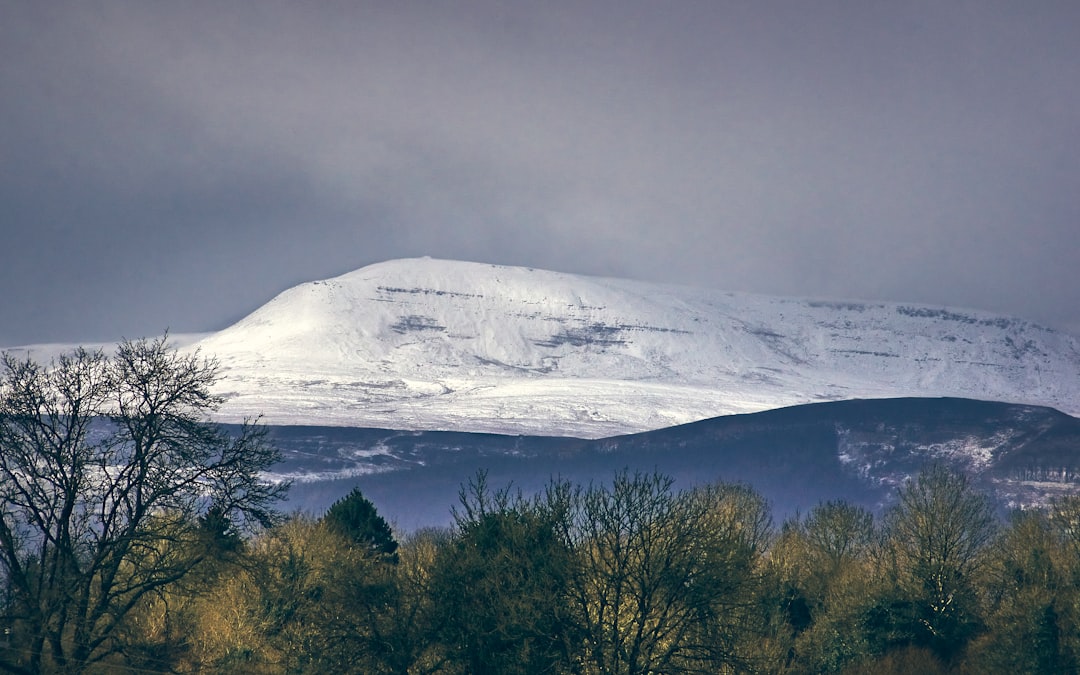
Photo by K. Mitch Hodge on Unsplash
-
Juridiction
Irlande du Nord
-
Nom irlandais
Fear Manach
-
Années de recensement
1821, 1901, 1911
-
Districts
117 districts de recensement
- Logainm
Annals of the Four Masters
Historical references from O'Donovan's edition (1848–51)
The Annals of the Four Masters record Fermanagh (Irish: Feara-Manach) in 61 entries between AD 764 and AD 1608.
Early Christian
Viking & Pre-Norman
Medieval
Early Modern
Source: Annals of the Kingdom of Ireland by the Four Masters, ed. John O'Donovan (1848–51). Public domain.
Griffith's Valuation
National Archives of Ireland (c. 1830s-1850s)
5,859 occupiers recorded in Griffith's Valuation across 696 townlands (1830s-1850s).
Top Surnames
Source: Valuation Office Books, National Archives of Ireland. Public records.
Actions rapides
Obtenir l'application iOS
Recherchez en déplacement
Frontière du comté
OpenStreetMapDétails
- Anglais
- Fermanagh
- Irlandais
- Fear Manach
- Juridiction
- Irlande du Nord