48
Paroisses
2,766
Localités
325,307
Registres de recensement
63,983
Foyers
3
Années de recensement
- Personnes
- 132,092
- Foyers
- 21,918
- Personnes
- 99,378 -24.8%
- Foyers
- 21,486 -2%
- Personnes
- 93,837 -5.6%
- Foyers
- 20,579 -4.2%
À propos
Cavan is a county located in the province of Ulster in the northern part of the Republic of Ireland, bordering Northern Ireland to the north and east. The county is characterized by rolling hills, numerous lakes, and drumlin landscape—a terrain formed by glacial activity that creates a distinctive pattern of small hills and hollows. The River Shannon, one of Ireland's most important waterways, flows through the county's western region. This landscape of lakes and waterways has historically made Cavan an important area for fishing and water-based activities, and today these natural features contribute significantly to the county's tourism industry.
Cavan has a rich history spanning from medieval times through the present day. The county was historically part of the kingdom of Breifne and later became a stronghold of the O'Reilly clan, who ruled the area for centuries. The county town of Cavan was granted a charter in the 17th century and developed as a market and administrative center. Like much of Ireland, Cavan experienced the impacts of the Great Famine in the 1840s and subsequent emigration. The county's history is reflected in its numerous archaeological sites, including ring forts, monastic settlements, and medieval structures.
The county is known for its natural attractions, particularly Cavan Burren and its distinctive karst landscape with caves and underground streams. Lough Gowna and other lakes in the region draw anglers and outdoor enthusiasts from across Ireland and beyond. The county also has cultural significance as the birthplace of several notable Irish figures and has maintained traditional Irish music and cultural practices. Cavan's relatively rural character has helped preserve aspects of traditional Irish community life, though like many rural Irish counties, it has faced challenges related to population decline and economic development.
For the local community, Cavan represents both a place of deep historical roots and cultural identity and a region adapting to modern economic pressures. The county's economy has traditionally relied on agriculture, small-scale manufacturing, and increasingly on tourism related to its natural landscapes and heritage sites. Community life in Cavan continues to revolve around local towns and villages, where traditional social structures and cultural practices remain important, while residents also engage with contemporary Irish and global society. The county's identity remains tied to its landscape, history, and the resilience of its people in maintaining community bonds across generations.
Source: AI generated

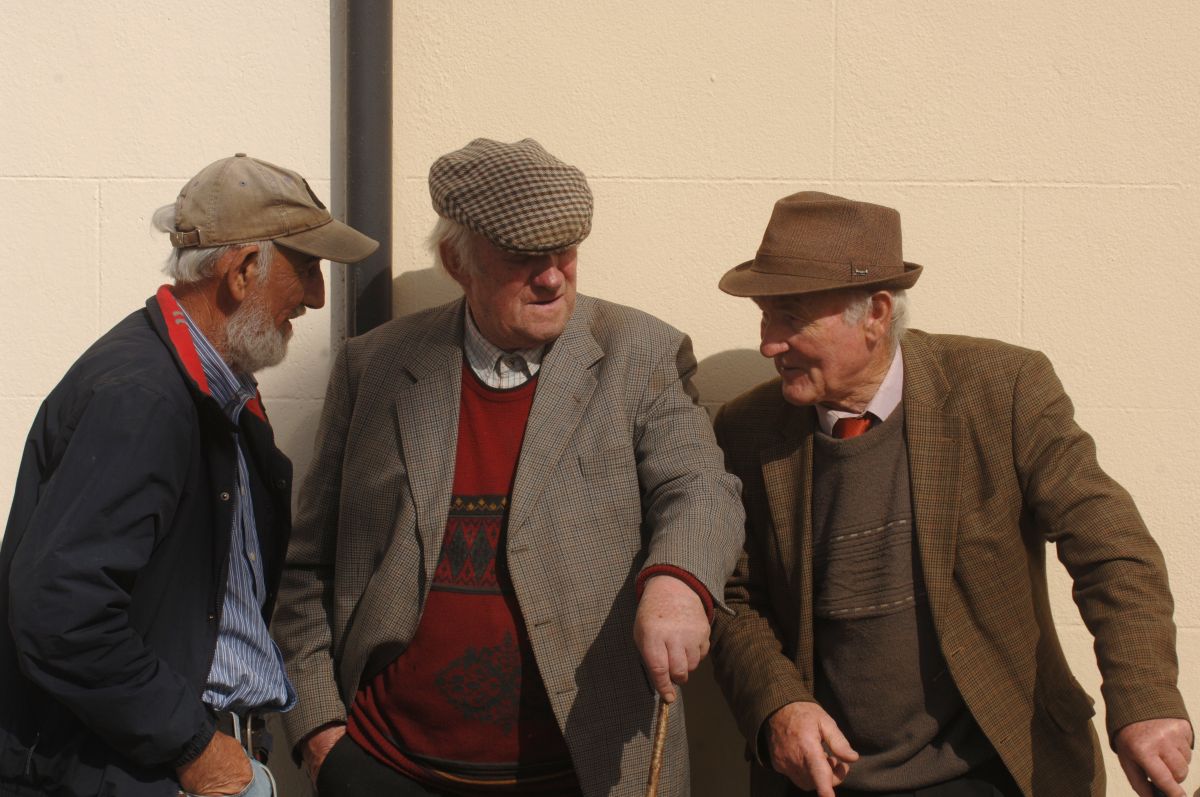
Photo by K. Mitch Hodge on Unsplash
-
Juridiction
République d'Irlande
-
Nom irlandais
An Cabhán
-
Années de recensement
1821, 1901, 1911
-
Districts
147 districts de recensement
- Logainm
Annals of the Four Masters
Historical references from O'Donovan's edition (1848–51)
27 places in this county are recorded in the Annals of the Four Masters.
The Annals of the Four Masters record Ardamagh (Irish: Ard-Macha) in 176 entries between AD 447 and AD 3656.
Tallyard
The Annals of the Four Masters record Tullyard (Irish: Tealach-ard) in 18 entries between AD 797 and AD 1171.
Trinity Island
The Annals of the Four Masters record Trinity Island (Irish: Oilen-na-Trioinoide) in 7 entries between AD 1153 and AD 1167.
Tirahan
The Annals of the Four Masters record Tircahan (Irish: Tir-Atḣain) in 5 entries between AD 1117 and AD 1595.
*Englhduff*
The Annals of the Four Masters record Annaghduff (Irish: Eanach-dubh) in 3 entries between AD 762 and AD 1253.
Source: Annals of the Kingdom of Ireland by the Four Masters, ed. John O'Donovan (1848–51). Public domain.
Griffith's Valuation
National Archives of Ireland (c. 1830s-1850s)
10,629 occupiers recorded in Griffith's Valuation across 975 townlands (1830s-1850s).
Top Surnames
Source: Valuation Office Books, National Archives of Ireland. Public records.
Actions rapides
Obtenir l'application iOS
Recherchez en déplacement
Frontière du comté
OpenStreetMapDétails
- Anglais
- Cavan
- Irlandais
- An Cabhán
- Juridiction
- République d'Irlande